





In the heart of the Tyrrhenian Sea lies a one-of-a-kind protected area—a place where nature can still breathe, and where large marine mammals find refuge. This is the Pelagos Sanctuary, one of the most important marine conservation zones in the entire Mediterranean.
It’s the result of an alliance between Italy, France, and the Principality of Monaco, aimed at protecting cetaceans and biodiversity—but also at educating, raising awareness, and involving those who experience the sea firsthand. And for those looking for something different, the Pelagos Sanctuary offers an opportunity for conscious, sustainable tourism.
What Is the Pelagos Sanctuary?
The Pelagos Sanctuary for Mediterranean Marine Mammals is an international marine protected area spanning roughly 87,500 km². It stretches between northern Sardinia, Tuscany, Liguria, the French Riviera, and Monaco. It was officially established in 1999 through a trilateral agreement to protect cetaceans and their habitats from the increasing threats of human activity.
But this isn’t a typical no-access marine zone. The Pelagos Sanctuary is an “open” sanctuary—where conservation works hand in hand with scientific research, international cooperation, and the promotion of sustainable tourism.
Which Species Are Protected?
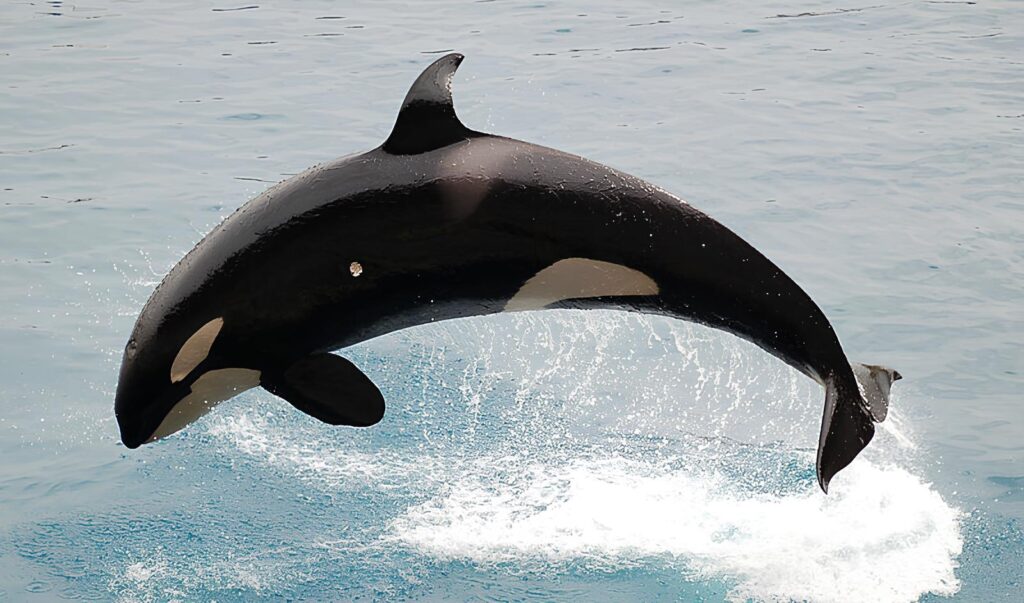
The Pelagos Sanctuary is home to a wide variety of cetacean species, including:
- Fin whale: the second-largest animal on Earth, reaching up to 24 meters in length, often seen feeding on plankton in these waters.
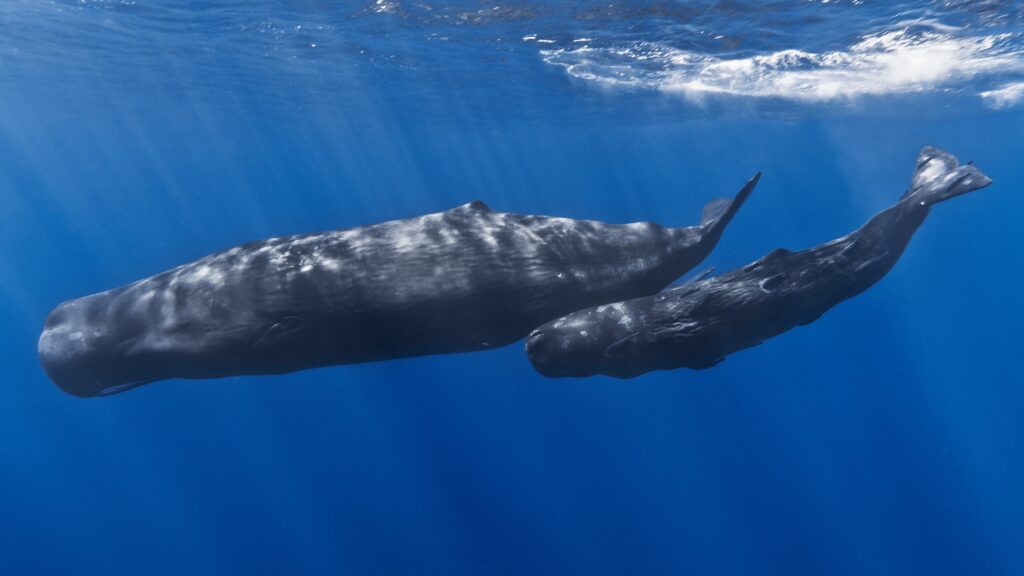
- Sperm whale: a deep-diving predator, recognizable by its angled blow, frequently spotted offshore.
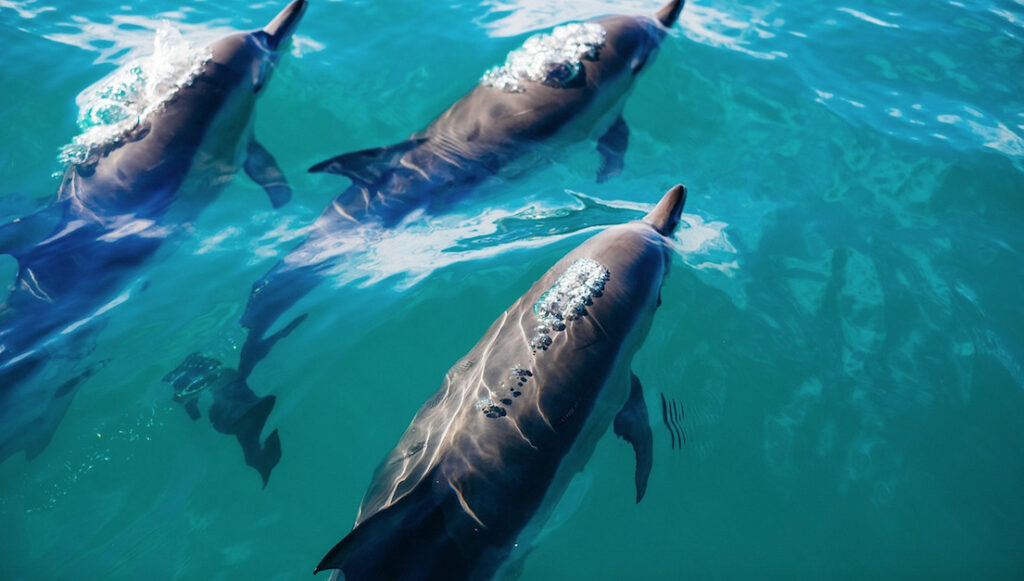
- Bottlenose dolphin: the classic dolphin known to many, social and easily observable along the coast.
- Striped dolphin: fast and agile, often seen in large groups leaping out of the water.
- Risso’s dolphin, Cuvier’s beaked whale, common dolphin, and pilot whale: lesser-known species but equally important to the marine ecosystem.
In addition to cetaceans, the sanctuary protects marine turtles, pelagic fish, seabirds, and invertebrates—all part of the Mediterranean’s complex ecological network.
Why the Pelagos Sanctuary Matters
The Mediterranean is one of the most trafficked and pressured seas in the world. Between shipping routes, pollution, overfishing, and underwater noise, creating a protected area where marine life can feed, reproduce, and thrive in peace is essential.
The Pelagos Sanctuary represents a successful model of international collaboration. It’s not defined by political borders, but by ecological realities—adapted to the dynamic and wide-ranging lives of marine species. It’s also a prime example of how science and policy can come together to produce effective conservation efforts.
Tourism and Conservation: A Possible Balance
One of Pelagos’s most unique features is its integration of environmental protection with tourism. The goal isn’t to close off access, but to educate those who enter these waters to do so with respect. This has led to the development of responsible whale watching, guided snorkeling experiences, educational programs for schools, and eco-friendly boat tours led by marine experts.
The Pelagos Sanctuary offers a rare opportunity to see whales and dolphins in their natural habitat—without needing to travel to the tropics. It’s not just an unforgettable sight, but a way to truly grasp the value of marine biodiversity and the urgency of protecting it.
How to Visit the Pelagos Sanctuary
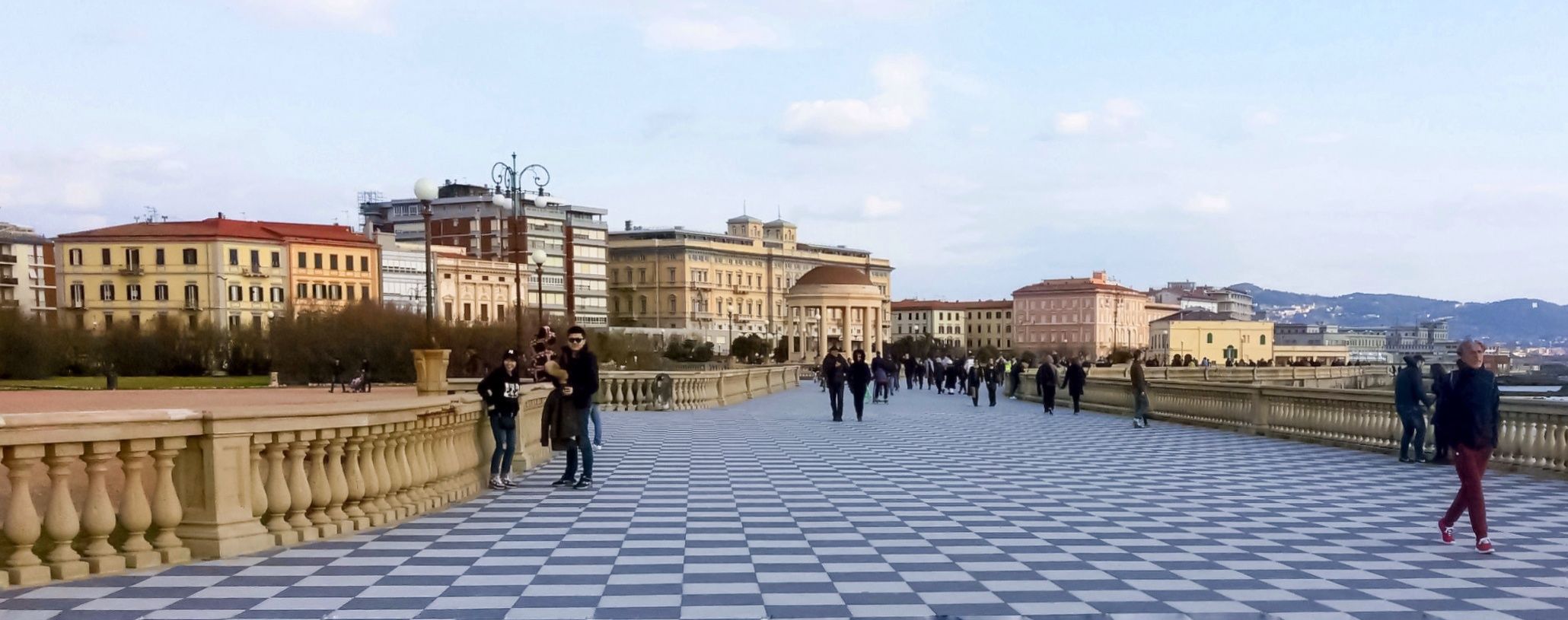
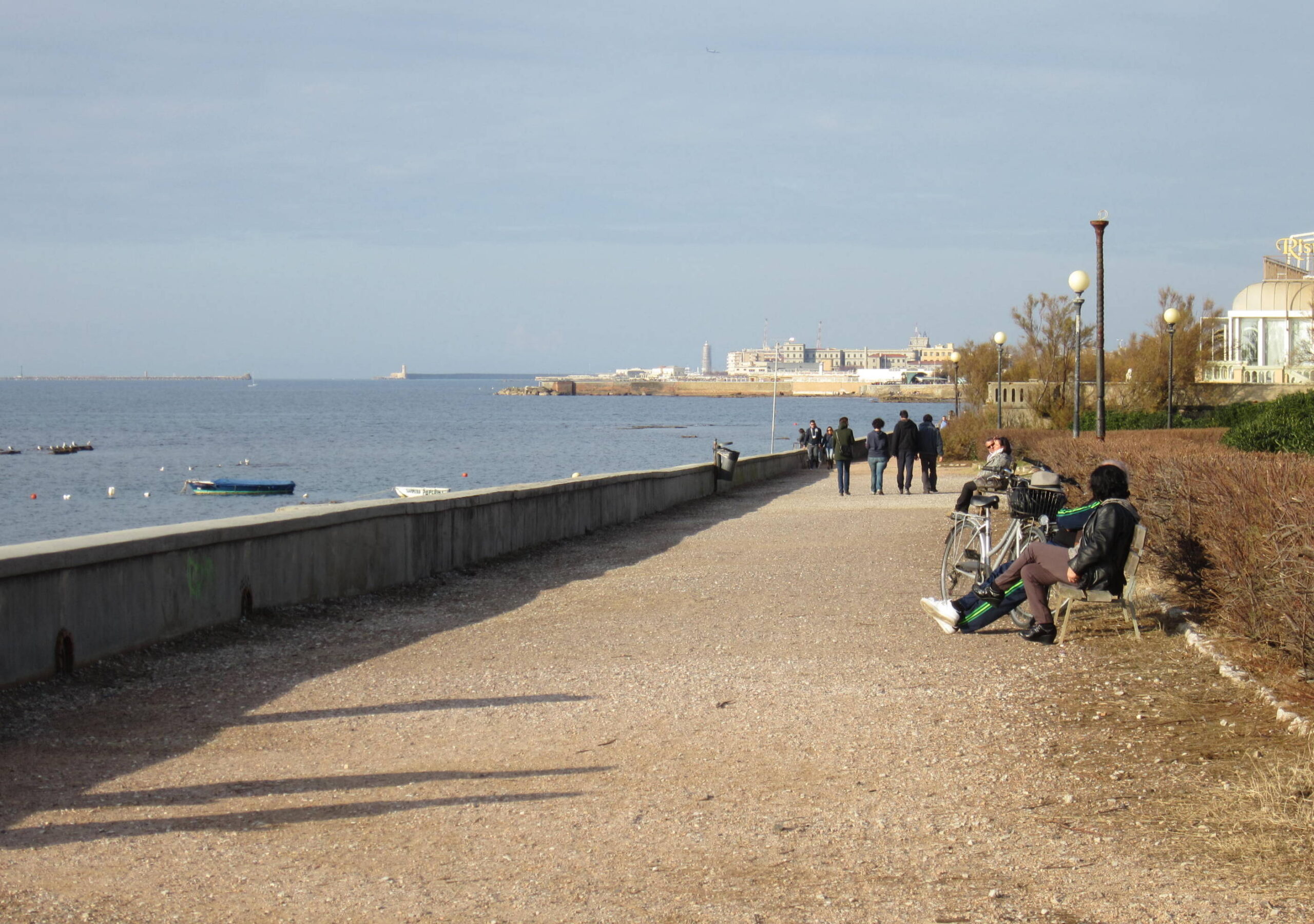
Pelagos isn’t a single location but a vast marine zone that’s accessible from many coastal areas in Italy. One of the best places to experience it is along the Tuscan coast—particularly in the stretch between Livorno, the Tuscan Archipelago, and the Piombino promontory. From here, you’ll find daily boat tours for cetacean watching, often led by marine biologists who offer live commentary and insights during the excursion.
The best time to visit the sanctuary is between May and September, when the sea is calm and sightings are more frequent. Still, each season has its charm—even a simple beach day can turn into a learning experience.
Where to Stay to Experience Pelagos
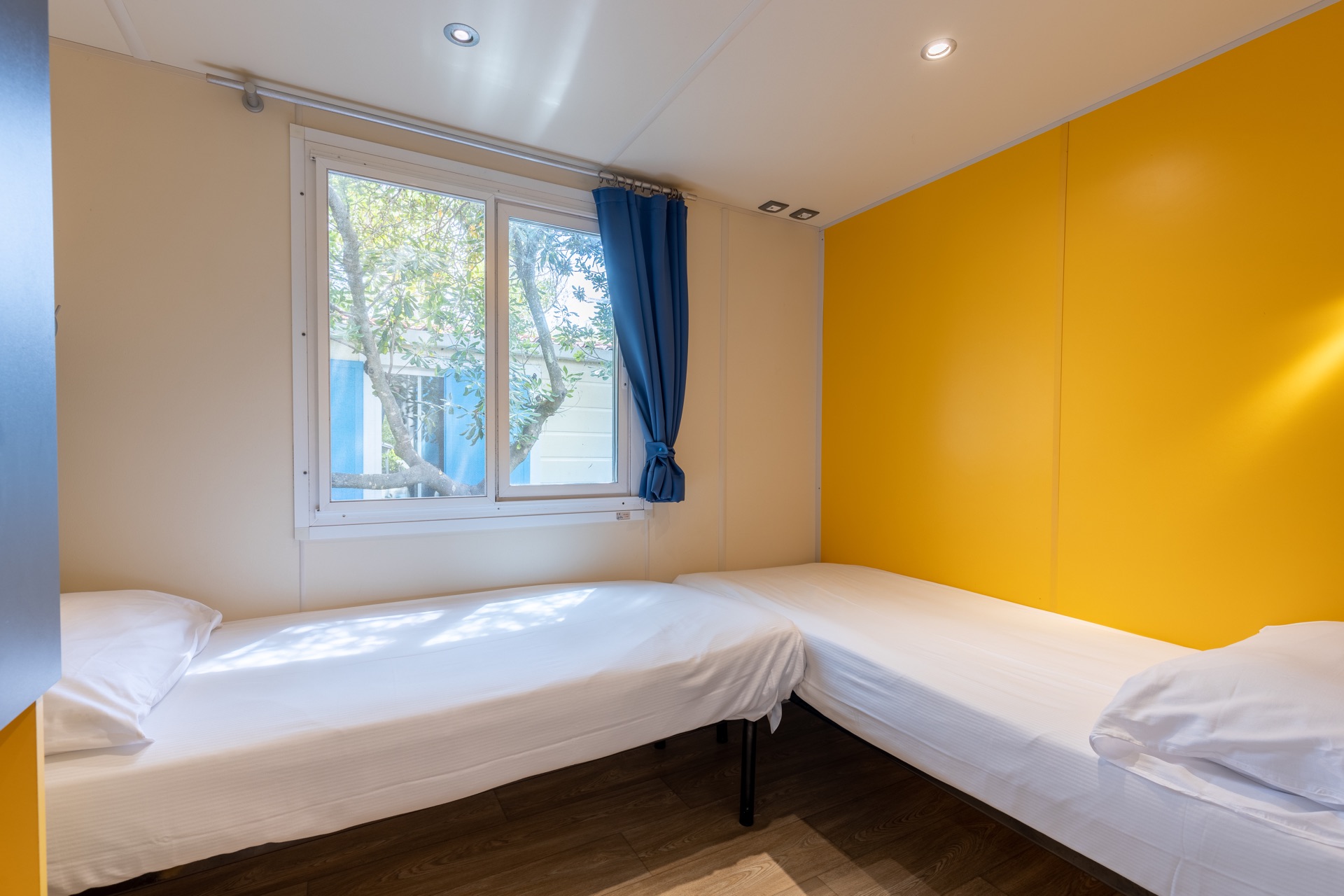
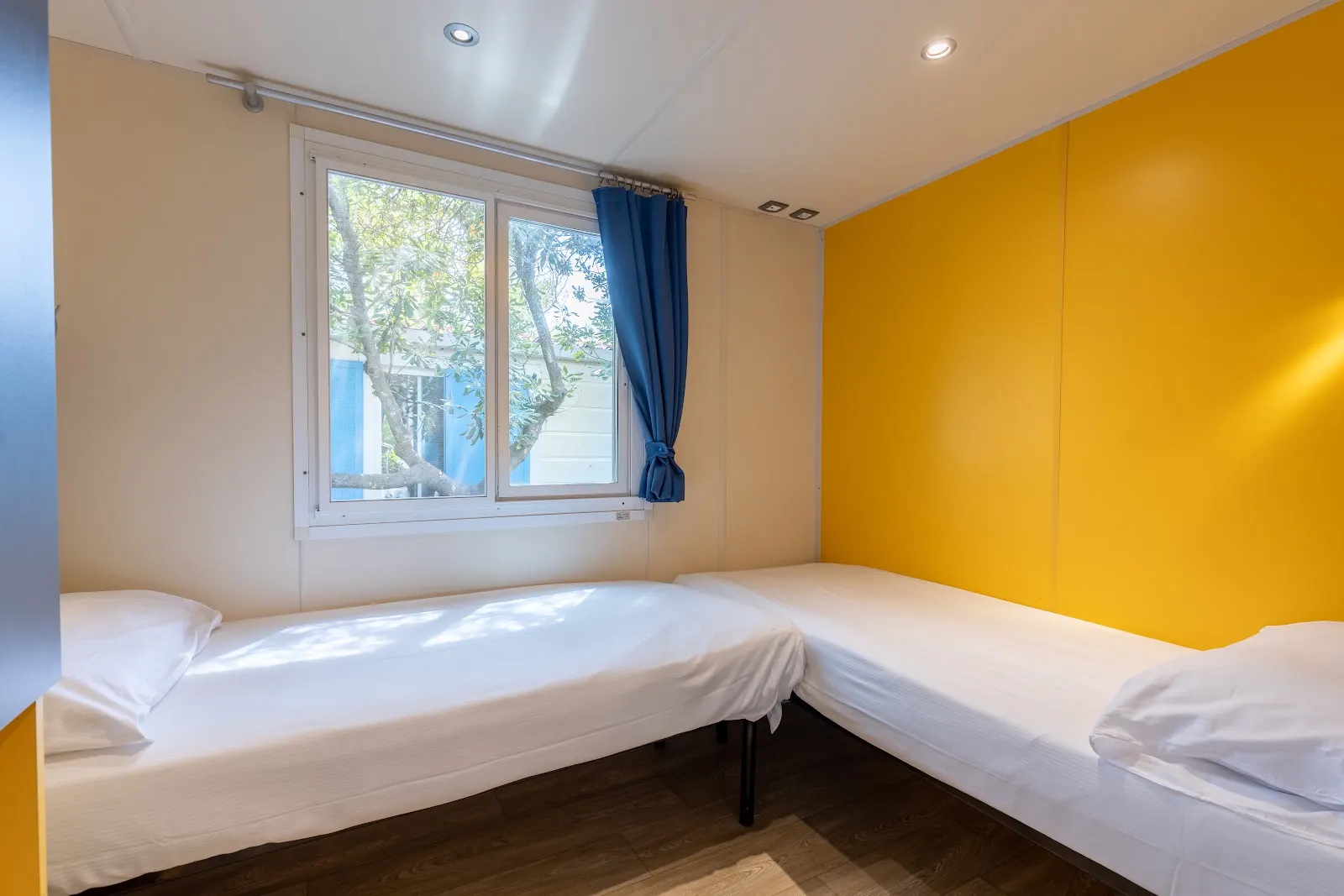
If you’re planning to explore the Pelagos Sanctuary from Tuscany, choosing the right place to stay makes a real difference. A smart and scenic option is Miramare in Livorno. Located directly on the coast and just minutes from the departure points for marine tours, it offers both convenience and a relaxing environment.
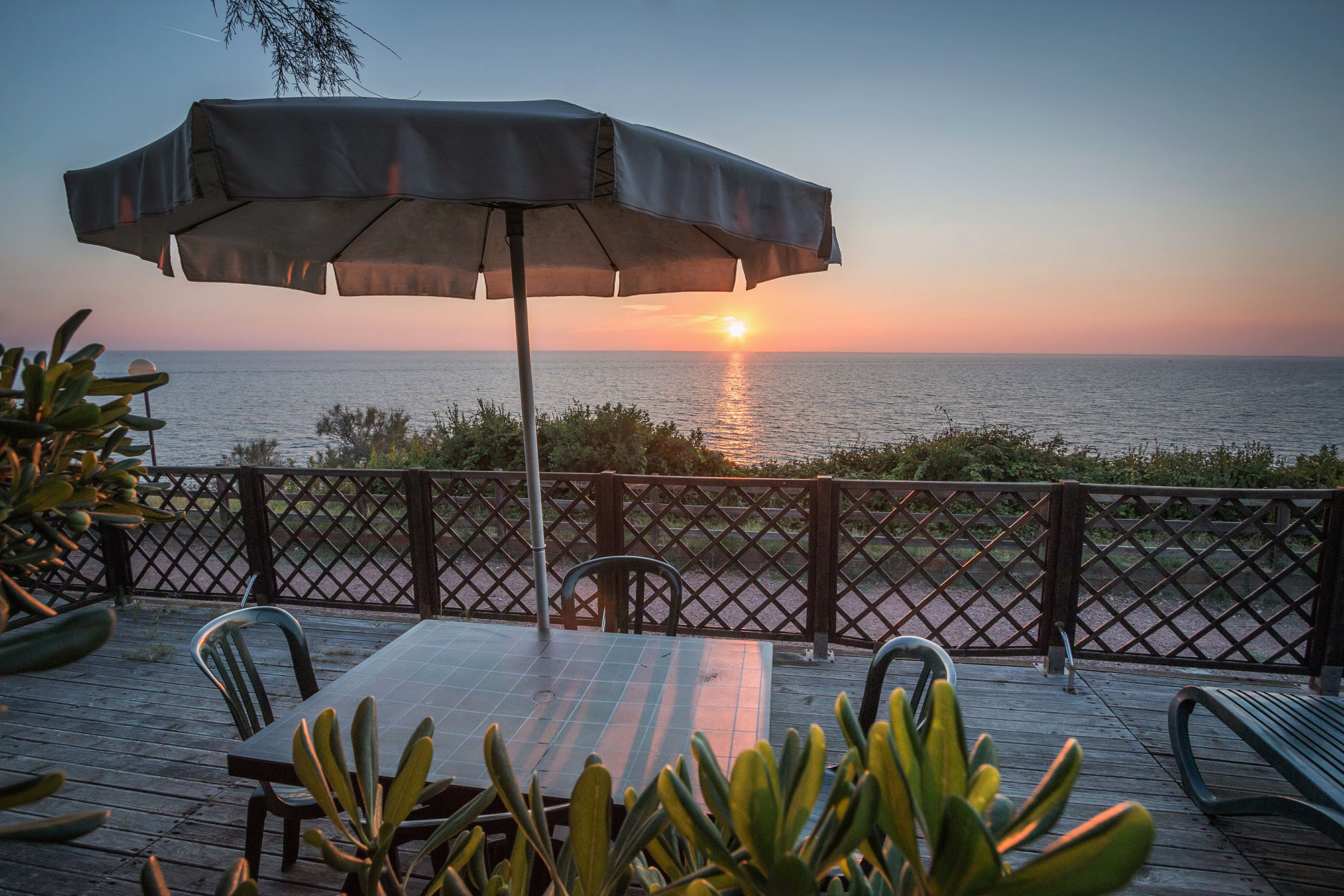
Its strategic location makes it easy to take part in Pelagos activities without stress, while also offering the chance to unwind away from city noise and enjoy breathtaking views over the Tyrrhenian Sea. It’s the kind of place where, after a day spotting dolphins at sea, you can watch the sunset and feel like you’ve experienced something truly meaningful.
Moreover, Miramare values environmental responsibility, aligning perfectly with the principles promoted by the Pelagos Sanctuary. You don’t have to travel far to find wonder—sometimes, it’s already right there. You just have to choose how to experience it.
An Experience That Stays With You
The Pelagos Sanctuary isn’t just another destination to check off your list—it’s a place that challenges us to reflect on our relationship with the ocean. Every whale surfacing, every pod of dolphins breaking through the waves, every explanation from a marine biologist sparks awareness: we’re not just spectators of nature—we’re also its stewards.
Visiting the sanctuary means participating—if only for a day—in a cross-border effort to protect our shared natural heritage. It’s a meaningful kind of travel that enriches the soul and changes the way we see the natural world.
And if you’re thinking of taking this journey, consider starting from a place that brings you truly close to the sea—with no filters and no pretenses. Because here, in the heart of the Mediterranean, between the waves and the silence, something rare still happens: the feeling of belonging to something greater.