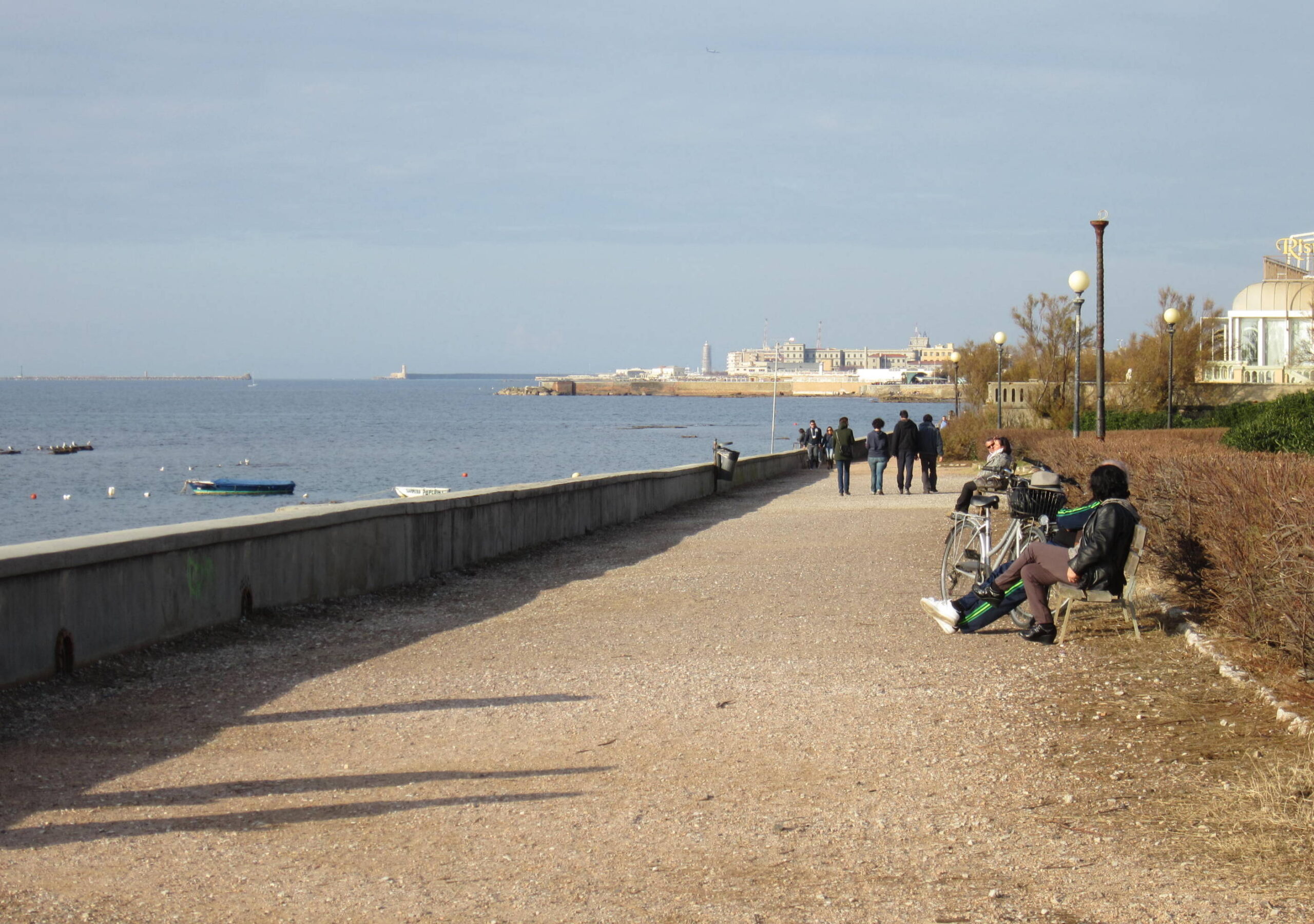






Camping photography isn’t just about gathering pretty shots—it’s a chance to slow down, observe, and tell the story of nature through your personal viewpoint. Camping strips away urban hustle and drops you into real landscapes, shifting light, and captivating details. Every frame has potential: a sunlit tent, a calm lake reflection, a campfire with friends.

You don’t need to be a pro to get great results. With preparation, light awareness, and basic techniques, you can turn your outdoor experiences into a gallery of meaningful images. This guide shows you where to start, what to bring, and daily habits to improve your camping photography, even using only a smartphone.
1. Organize Your Kit
Great camping photography starts before you even head out. Organize gear smartly. Choose a light but durable bag to shield equipment from impact, dust, and moisture. Use internal dividers to prevent gear collisions.
Bring:
- Spare memory cards;
- Backup batteries;
- Portable charger;
- Microfiber cloths;
- Waterproof pouches or shockproof cases.
Organize for quick access—perfect moments don’t wait.
2. Capture the Right Light: Sunrise & Sunset
Light defines photography. Camping gives you full access to golden hours—sunrise and sunset. This soft, warm, side-lit light is perfect for landscapes, tents, and portraits without harsh shadows.
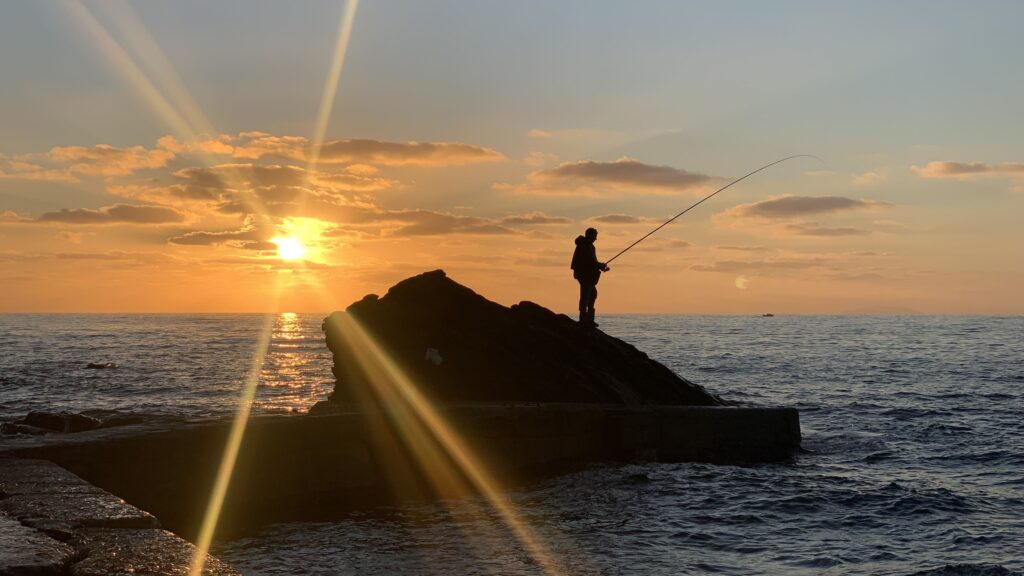
Morning scenes feel intimate and peaceful. At sunset, look for sky colors contrasting silhouettes of tents, trees, or people. These moments are rare in everyday life—use them to elevate your camping photography.
3. The Visual Diary
Don’t just shoot epic scenes—tell your story. Every camping trip has spontaneous moments: brewing morning coffee, bare feet on dew grass, backpacks by the tent. These details form a visual diary that conveys real experience and emotion.
Capture candid shots: cooking, setting camp, relaxing in a hammock. These raw moments bring back the true feeling of camping more than “perfect” but sterile images.

4. The “Souvenir” Shot
Out of your collection, find one photo that symbolizes the trip. A “souvenir” shot that encapsulates your camping essence: tent-backlit sunset, a friend gazing at the fire, star trails over a forest canopy.
This will become your emotional highlight. Compose carefully, pick the right moment and light—you’ll have the shot you frame or use as a lifelong memory of camping photography.
5. Master Your Technique
You don’t need a long manual—just key basics. Turn off flash unless necessary: it flattens scenes. Use manual or “Pro” mode to control ISO, shutter speed, and focus.
Experiment with angles: low to sky, from inside tent outward, or include foreground objects like ropes or lanterns. Remember: a powerful shot shows not only what you see, but how you see it.
6. Backup and Storage
A common mistake is losing days of photos to dead batteries or corrupted memory. Avoid risk. Carry at least two batteries and a power bank. Charge nightly.
For backup, sync to the cloud or keep a USB stick/portable drive. Never delete originals until saved in a second location. Camping photography is often unrepeatable—better safe than sorry.
7. Light Editing
Once home, apply gentle editing. Small tweaks—brightness, contrast, vibrancy—go a long way. Crop for composition, fix color casts.
Apps like Snapseed, Lightroom Mobile, or VSCO offer near-professional edits from your phone. But don’t over-edit—the authenticity of camping photography should shine through naturally.
Recommended Gear for Camping Photography
To enjoy camping photography without being tied to brands or specific models, here’s a list of useful and versatile gear:
- A camera or smartphone with manual or “Pro” mode to adjust ISO, shutter speed, and white balance.
- A stable support like a lightweight tripod or an improvised stand—perfect for low light or night shots.
- Extra memory cards and batteries to avoid running out of power halfway through your day.
- A power bank or portable charging option—essential if you’re far from any outlets.
- Cleaning tools: microfiber cloths, compressed air to remove dust or water droplets.
- A sturdy case or waterproof bag to protect your gear from rain, dust, and impact.
- Neutral density or polarizing filters to boost dynamic range and color saturation (if supported).
- Fast backup solutions like a USB stick or offline cloud storage to save files on the go.
This kind of general gear setup keeps you prepared for every situation and makes camping photography more accessible and stress-free.
Take the time to learn the basics, shoot with attention to light, and handle your files with care—this will help you capture stunning images of your time in the wild. Camping photography is an amazing way to preserve genuine memories of nature
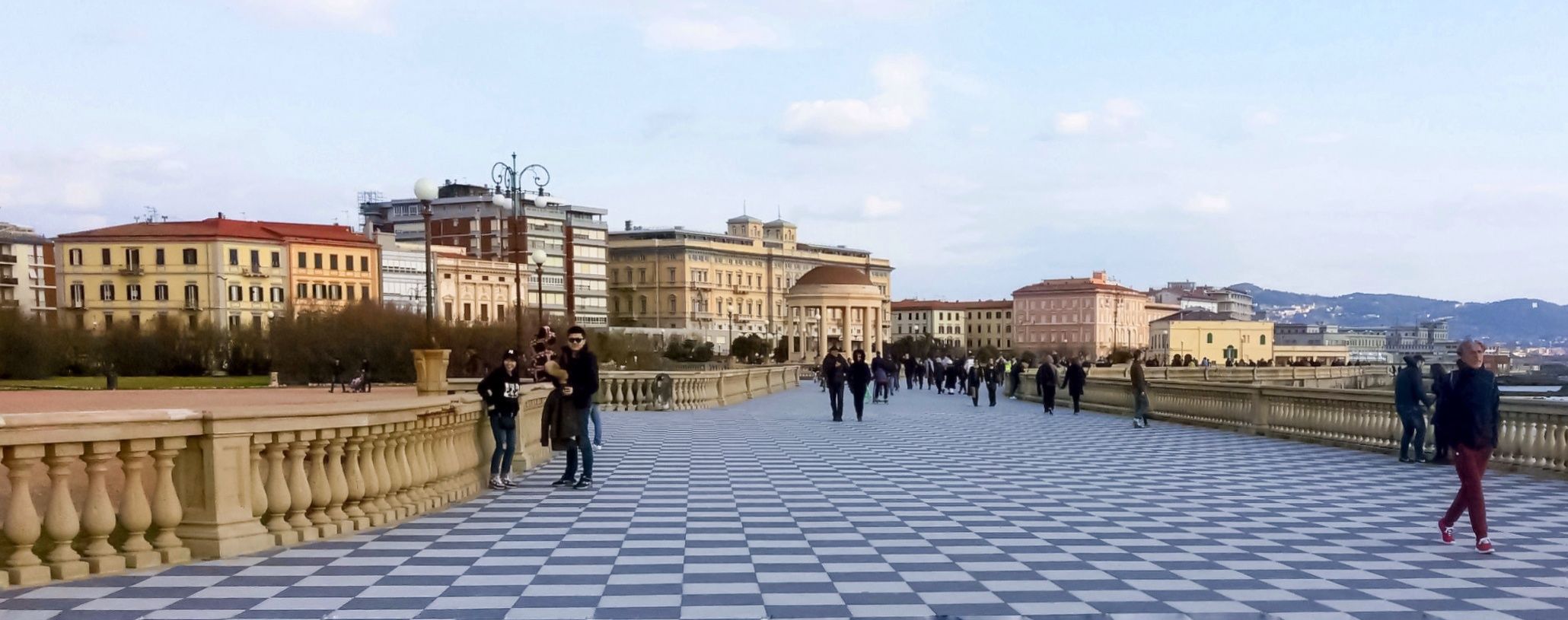
Looking for the perfect spot to combine camping and photography? Miramare in Livorno is ideal. Surrounded by sea views, golden beaches, and breathtaking sunsets, it’s the ultimate location to explore your passion. Book your stay now, pack your gear, and start capturing unforgettable moments!