





Tuscany is more than just a region—it’s an open-air museum. Every street, square, and hill tells centuries of artistic stories. But where to begin? This guide explores the must-see destinations for those seeking an authentic Tuscan art experience, with practical tips on itineraries, complementary activities, and suggestions on how to make the most of each stop.
Florence: The Heart of the Renaissance
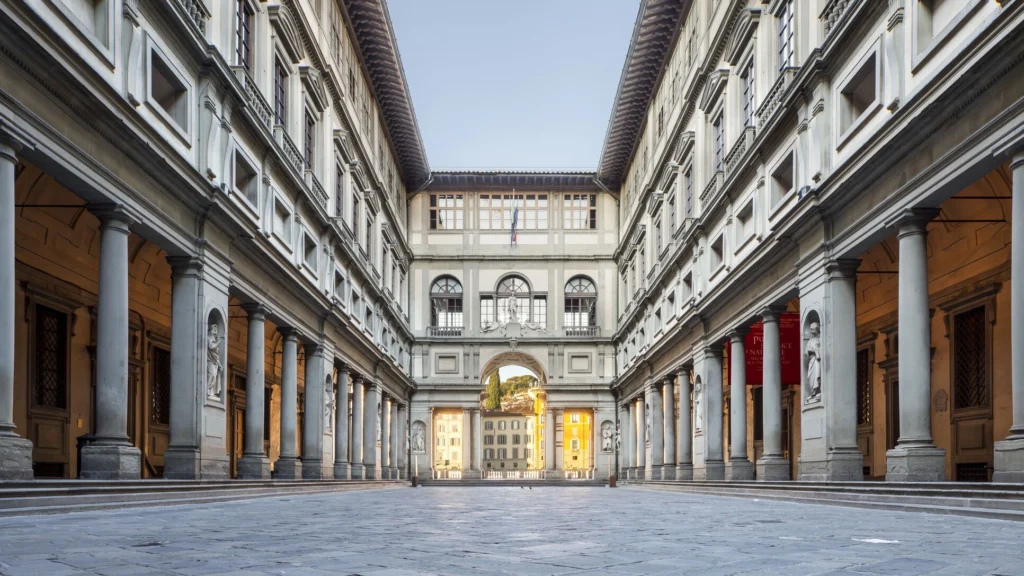
You can’t talk about Tuscan art without starting in Florence. The Uffizi Gallery houses some of the world’s most famous masterpieces: from Botticelli’s “The Birth of Venus” to Caravaggio’s “Medusa.” Just a short walk away, the Accademia Gallery preserves Michelangelo’s David, a symbol of the city.
For those seeking a less crowded yet equally significant experience, the Modern Art Gallery at Palazzo Pitti offers a journey through the Macchiaioli and the great painters of the Italian 19th century, in a unique architectural setting.
Prato and Pistoia: Modernity and Experimentation
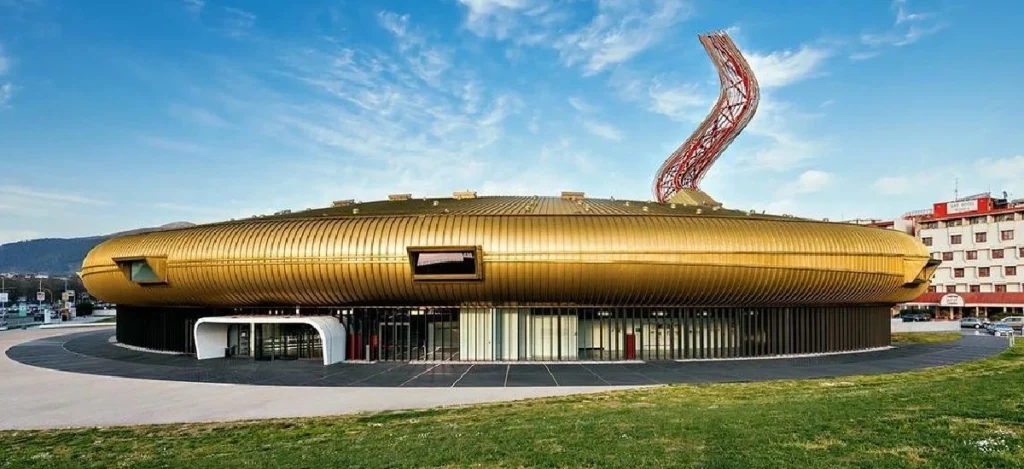
Heading west, Prato surprises with the Luigi Pecci Center for Contemporary Art, a dynamic and innovative structure hosting exhibitions on photography, video art, and design.
Pistoia, named Italian Capital of Culture in 2017, hosts Palazzo Fabroni, a civic museum dedicated to contemporary art, featuring works by Italian and international artists. Don’t miss the Fattoria di Celle, just outside the city, where environmental art and landscape merge in a truly immersive experience.
Arezzo: Sacred Art and Author Photography
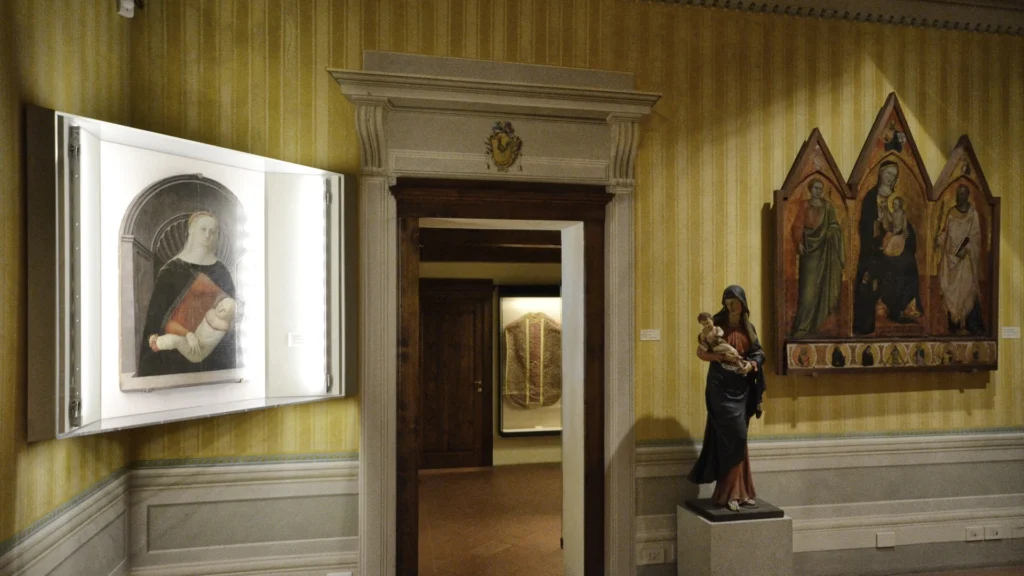
Arezzo offers a dual soul: on one hand, the spirituality of sacred art, with museums like the one in Montespertoli housing Renaissance panels and medieval relics; on the other, the contemporaneity of the Italian Photography Festival, which annually transforms the city into an open-air creative laboratory.
A Strategic Starting Point: Livorno
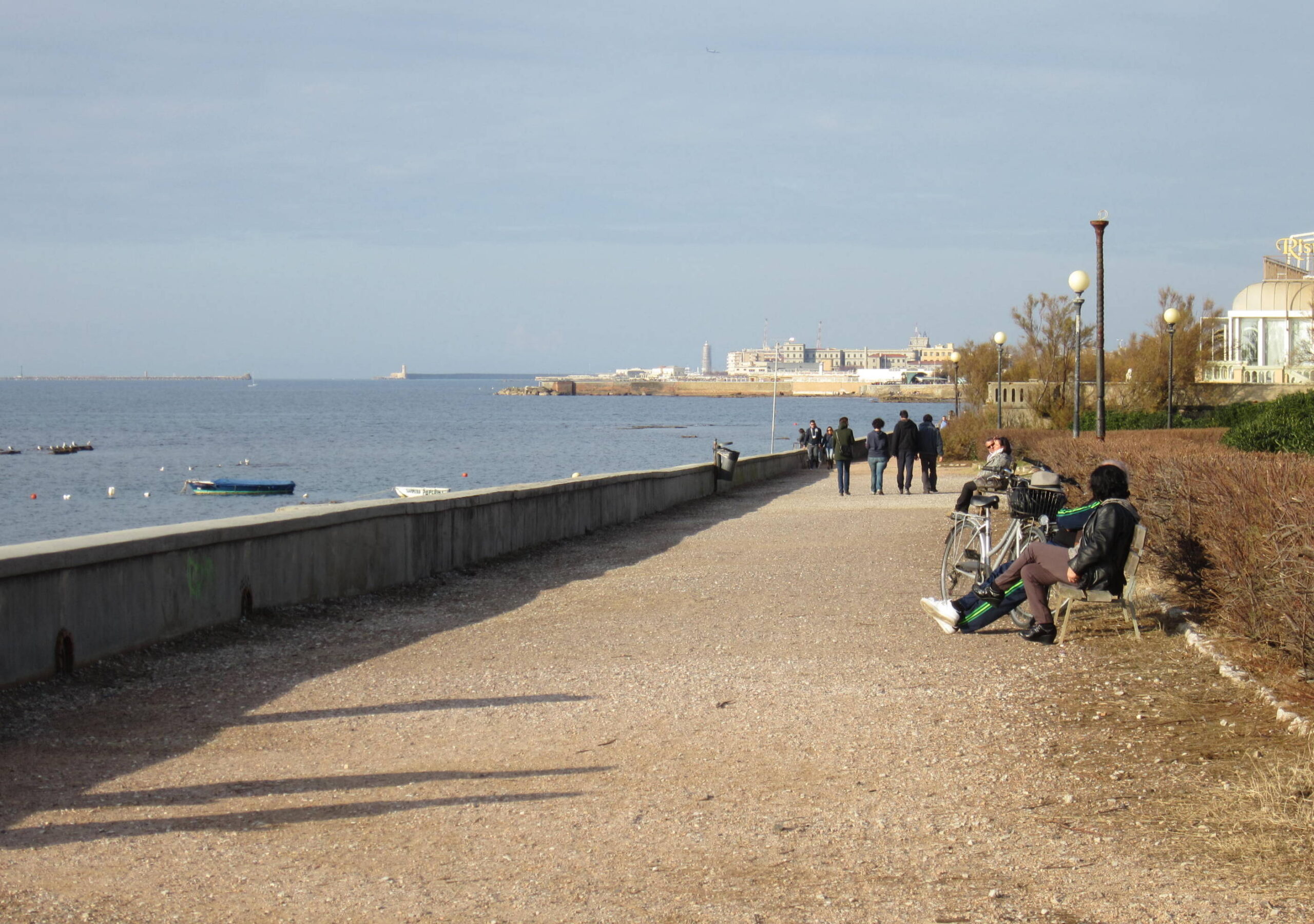
Often overlooked in classic art itineraries, Livorno is instead a perfect crossroads for those wanting to explore the entire region comfortably. From here, Florence is an hour away, and Pisa, Lucca, Volterra, or San Gimignano are even closer.
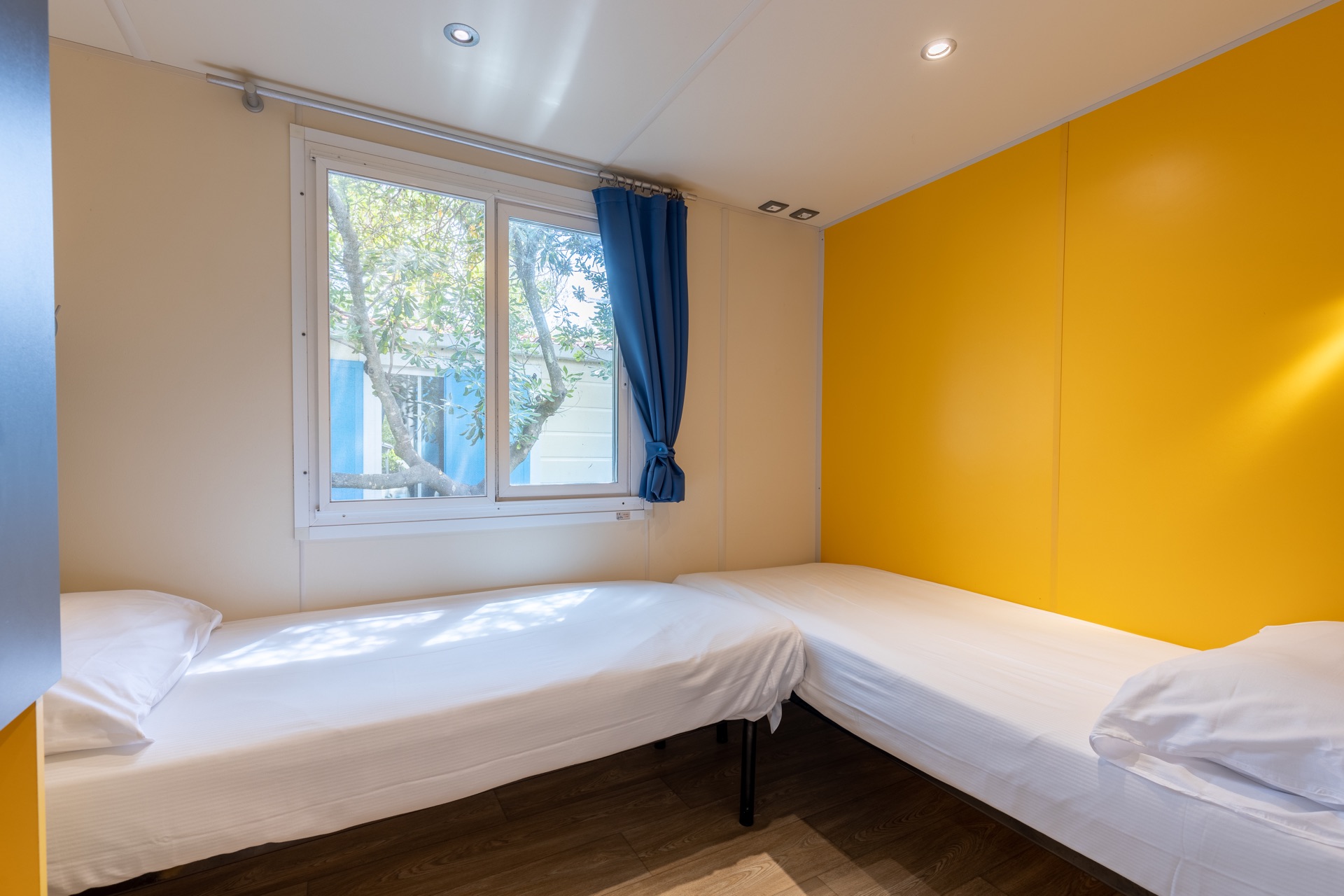
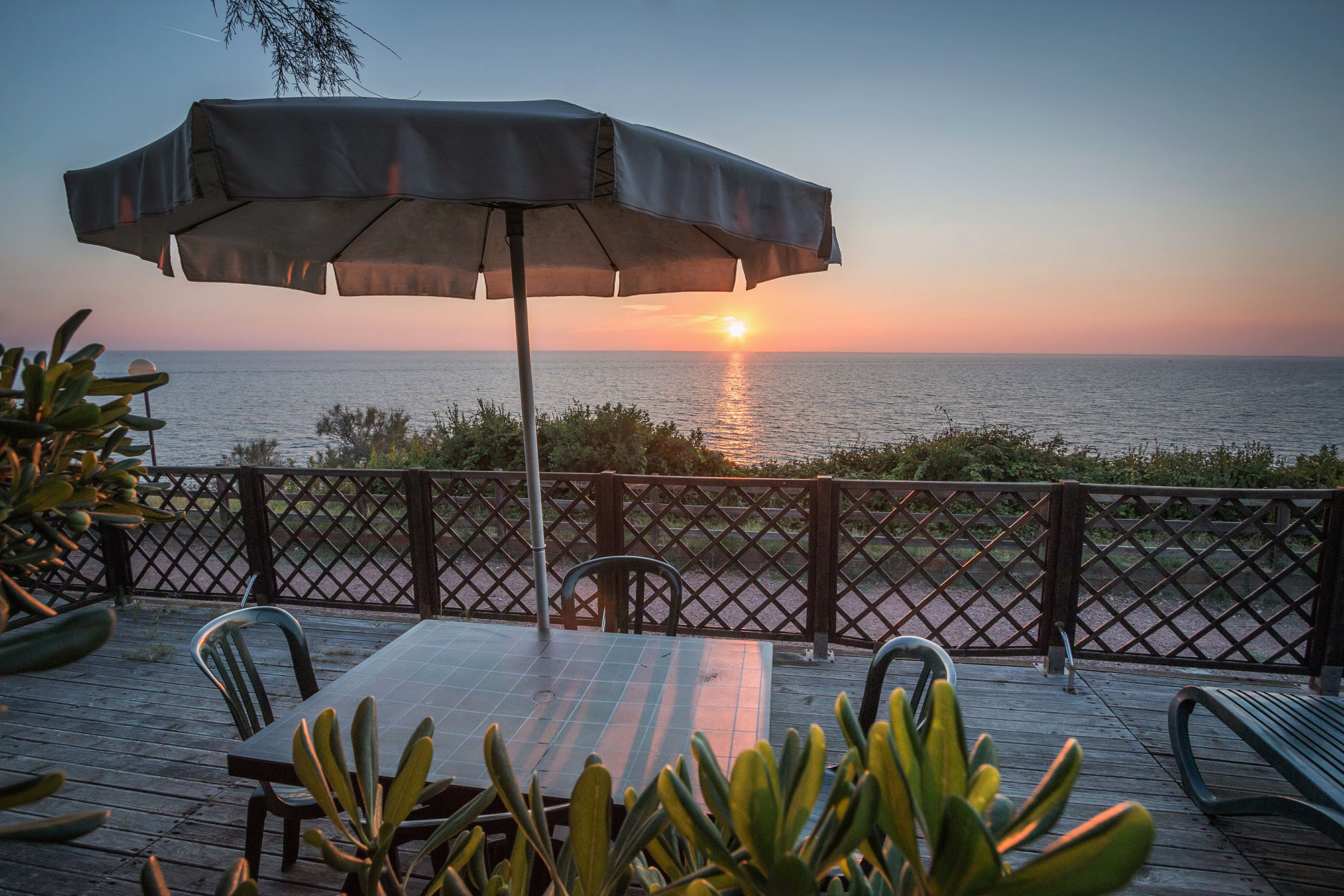
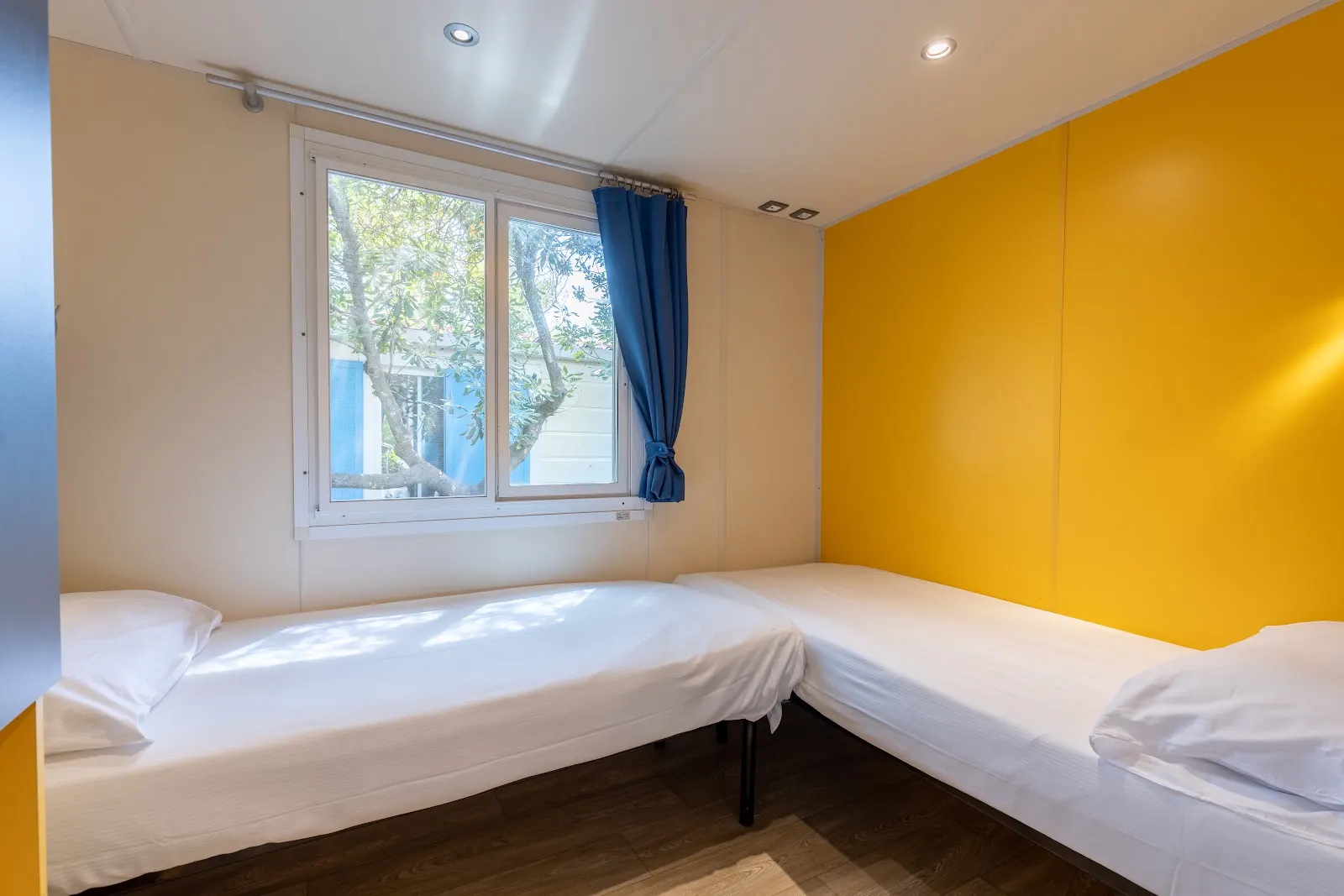
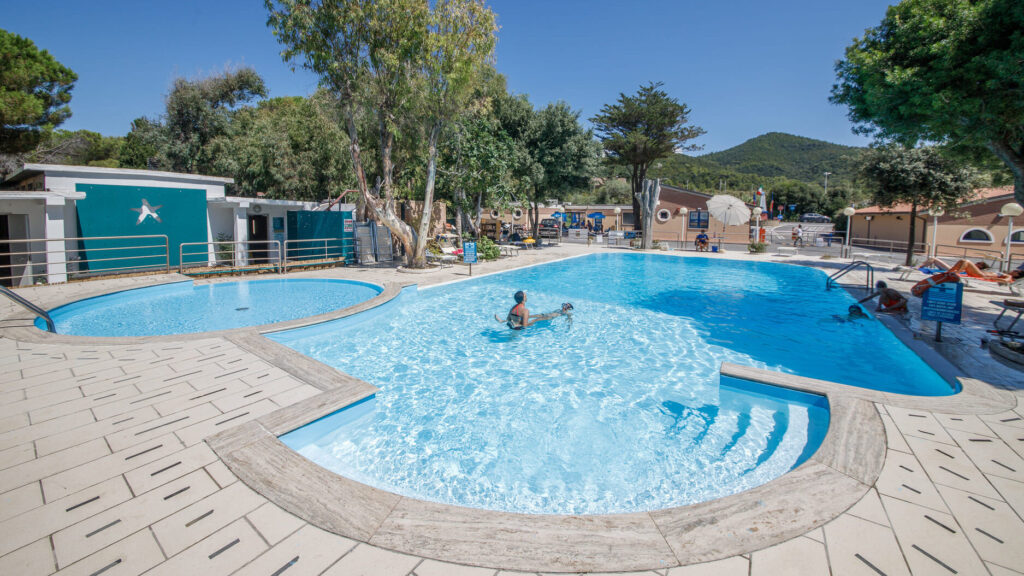
Those seeking a relaxed accommodation, immersed in greenery and overlooking the sea, can find in Miramare an ideal base. In addition to offering all the comforts for families and independent travelers, its coastal location allows for evening returns and enjoying the sunset after intense days among museums and art cities. A regenerating pause between one gallery and another, without giving up anything.
Complementary Activities to Pair with Art
A trip to Tuscany centered on art doesn’t end in museums. The Chianti hills, for example, offer splendid excursions among vineyards and Romanesque churches, perfect for alternating culture and nature. To the south, the Crete Senesi provide lunar landscapes, ideal for photography enthusiasts or those seeking artistic inspiration in the silence of the countryside.
Many villages, such as Volterra, Cortona, or Montepulciano, are treasure troves of artisan workshops, independent galleries, and small local festivals where it’s still possible to meet artists at work and purchase unique pieces.
And then there’s the food. Every art city has its typical dish, its wines, its markets. A lunch in a historic trattoria or a tasting in a winery can become cultural experiences in their own right.
How to Organize the Trip to Experience It Best
Planning an artistic itinerary in Tuscany is simpler than you might think. The main cities are connected by efficient regional trains, but for those wanting to visit less-trodden destinations or follow a personalized route, renting a car remains the most flexible solution.
It’s also essential to consult local cultural calendars: Tuscany hosts events throughout the year, such as the Night of Museums, temporary exhibitions, urban performances, and contemporary art festivals. Participating in an evening exhibition at Palazzo Strozzi or an artist talk at the Pecci Center can make the difference between a simple visit and a memorable experience.
Finally, leave room for the unexpected. Stopping at an antique market, attending a street performance, or getting lost among the workshops of an alley can be the most authentic and intense episodes of your journey into Tuscan art.