





Nestled between the gentle hills of Livorno and the Tuscan plains, Collesalvetti is a rural gem offering an authentic experience—surrounded by natural landscapes, historic villages, and living traditions. With around 17,000 inhabitants, the municipality spans over 1,300 hectares of woods, cultivated fields, streams, and vineyards.
Landscape & Nature
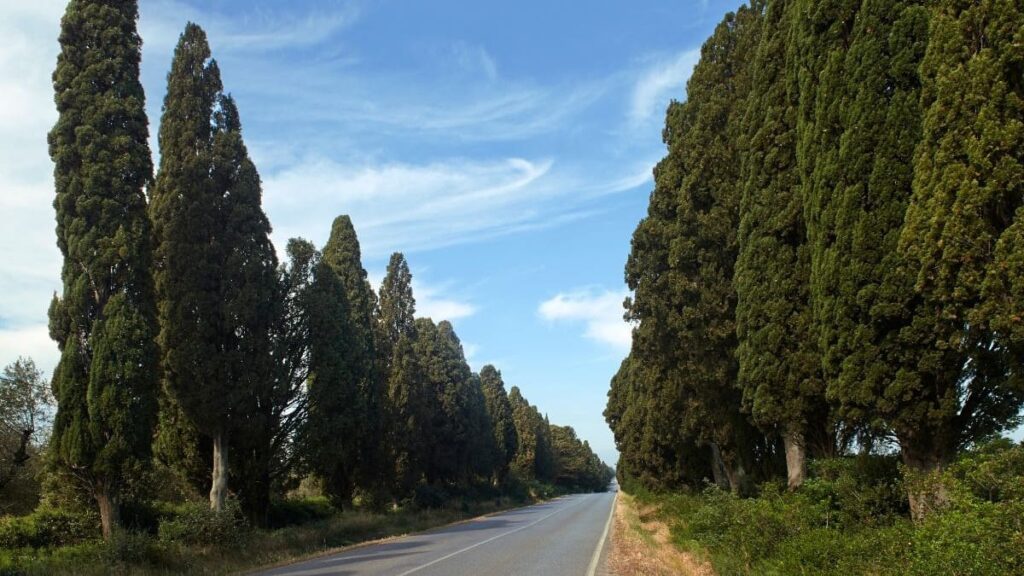
Collesalvetti’s territory is divided between a vast alluvial plain in the north (clay-rich) and a southern hilly area with limestone-siliceous terrain. Streams like Tora, Tanna, and Isola flow through these lands, reminders of Medici-era reclamation projects.
The Monti Livornesi Regional Park spans more than 1,000 hectares, home to wild boar, foxes, and holm oaks—ideal for trekking, horseback riding, and mountain biking. Nearby, the Contessa Oasis is a protected coastal marsh reserve, perfect for birdwatching and outdoor education.
Historical Heritage
Prehistory & Antiquity
Archaeological finds in the Guasticce plain date to the Bronze Age, with traces of the Roman Æmilia Scauri road, guesthouses, and aqueduct structures.
Medieval Era
Since the 10th century, castles such as Nugola, Parrana, and Colognole stood under Pisan rule; the name “Collis Salvecti” first appears in 1272.
Medici & Lorena Periods
In 1554, Cosimo I de’ Medici initiated major land reclamation (Fosso Reale), and Medici later established a villa in 1476. Leopoldine reforms in the 18th century led to the community’s formal foundation between 1808–1810.
Modern Age
Following Italian unification (1860), Collesalvetti joined Pisa province; in 1925 it became part of Livorno’s province. The Livorno–Collesalvetti railway (opened 1863) fostered development. A post‑1950s industrial boom brought growth, though much countryside charm remains.
Architecture & Culture
- Villa Medicea: A 15th-century estate purchased by the Medici in 1476, showcasing geometric gardens and a watchtower symbol of agrarian prestige.
- Collesalvetti Castle: A restored 12th-century fortress hosting cultural events and exhibitions.
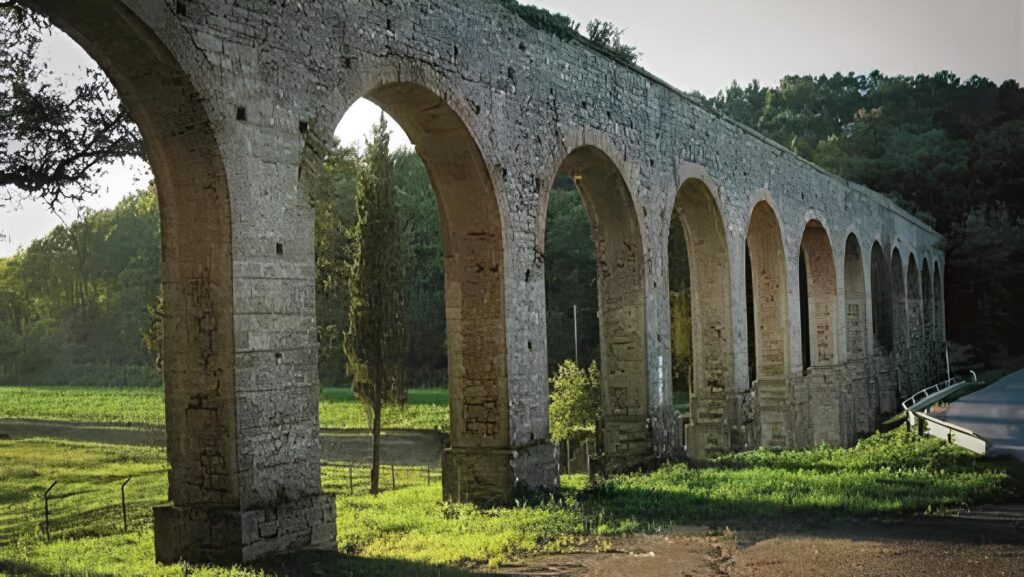
- Colognole Aqueduct: A Lorraine-era hydraulic marvel (18th–19th c.) with arches and tunnels once supplying water to Livorno.
- Church of Saints Quirico and Giulitta: Originally 14th century, rebuilt in 1853 and later, featuring 17th-century art.
- Church of Saint Leonard: Erected between 1864–1866 by Cardinal Corsi, signifying demographic growth after reclamation.
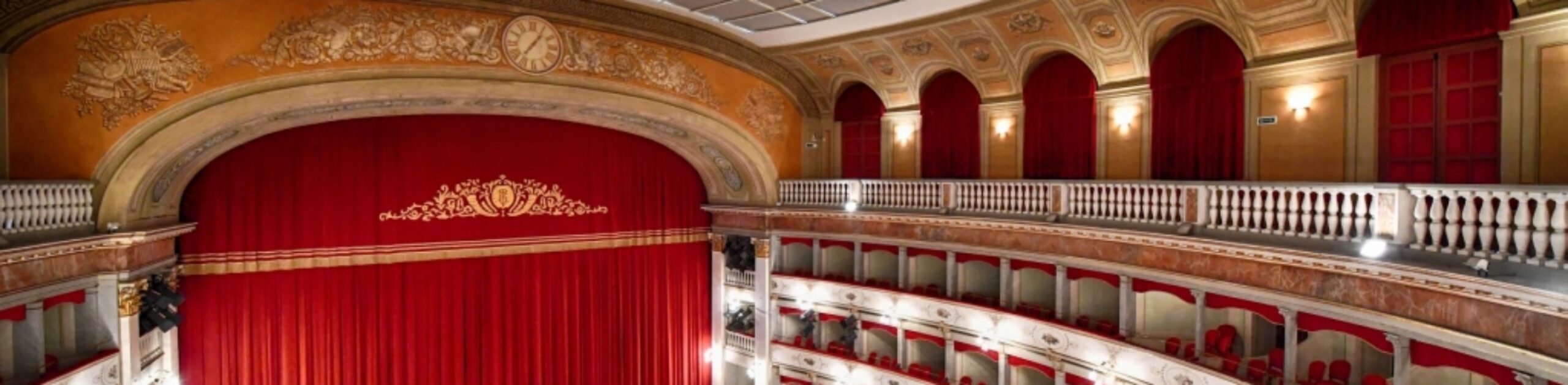
- Civic Theatre, Library & Art Gallery: Vibrant cultural hubs hosting performances and exhibitions.
Tourism & Activities
Slow tourism naturale
Slow tourism thrives here—hiking, horseback riding, cycling along the historic Leopoldine Aqueduct path to the sea. The Hermitage of Sambuca, in the woods, offers serenity and natural immersion. Birdwatching and guided nature tours enrich the experience.
Every September:
- Village Fair celebrates local food, crafts, and traditional trades.
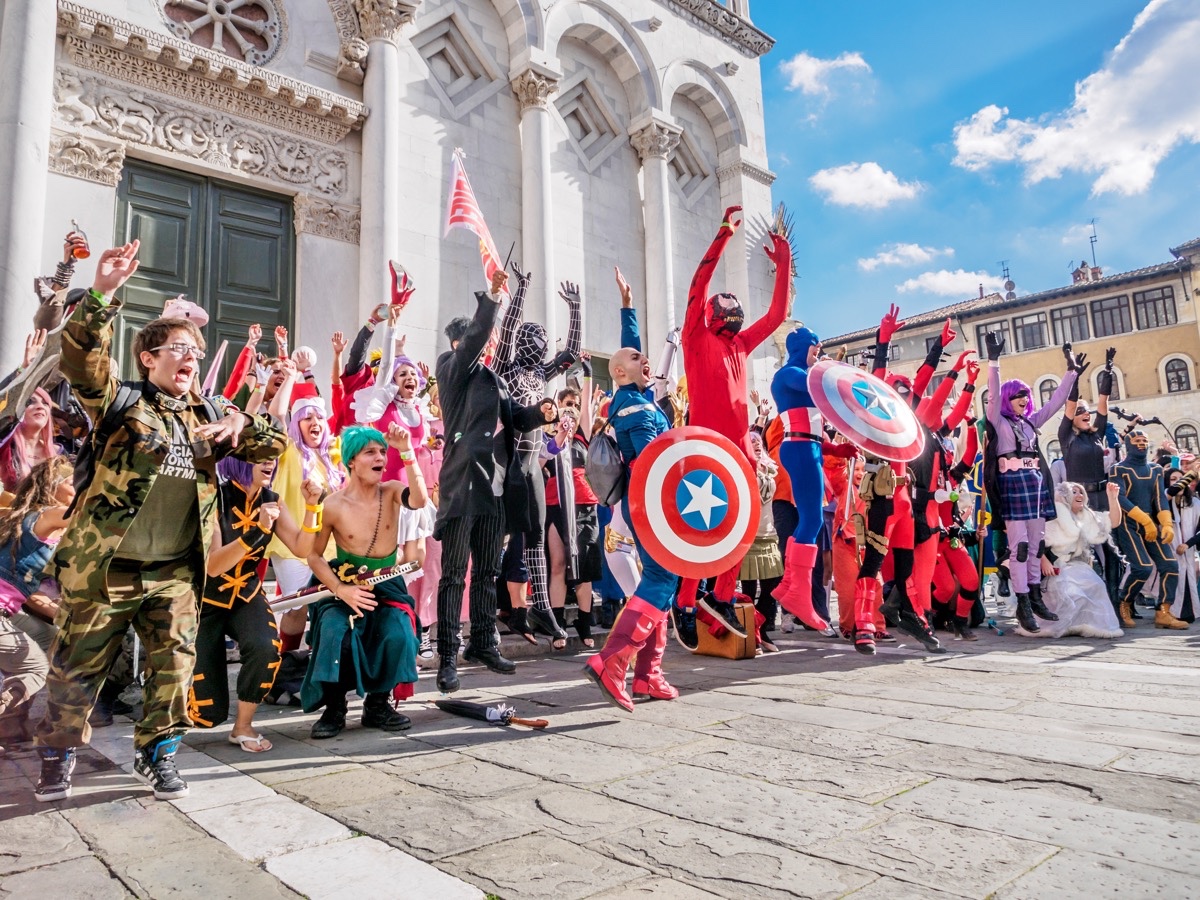
- “September of…wine” in Nugola features wine tastings and meetings with winemakers. Throughout the year, events enliven the castle and theatre. Food & wine lovers can explore vineyards in seven hamlets, sample olive oil, and enjoy simple Tuscan countryside cuisine.
Getting There
- By car: via the Aurelia SS1 or Emilia SS206.
- By train: Livorno–Collesalvetti line connects Pisa, Livorno, Rome.
- By bike or on foot: along the ancient aqueduct or the Fosso Reale waterway.
Why Visit Collesalvetti?
- Deep nature experience in hills, woods, wetlands, and historic routes.
- Rich heritage from Etruscan‑Roman to Medici eras—villas, fortresses, churches.
- Authentic local life—festivals, wines, artisan traditions.
- Outdoor enjoyment: trekking, riding, birdwatching, cycling.

Where to Stay
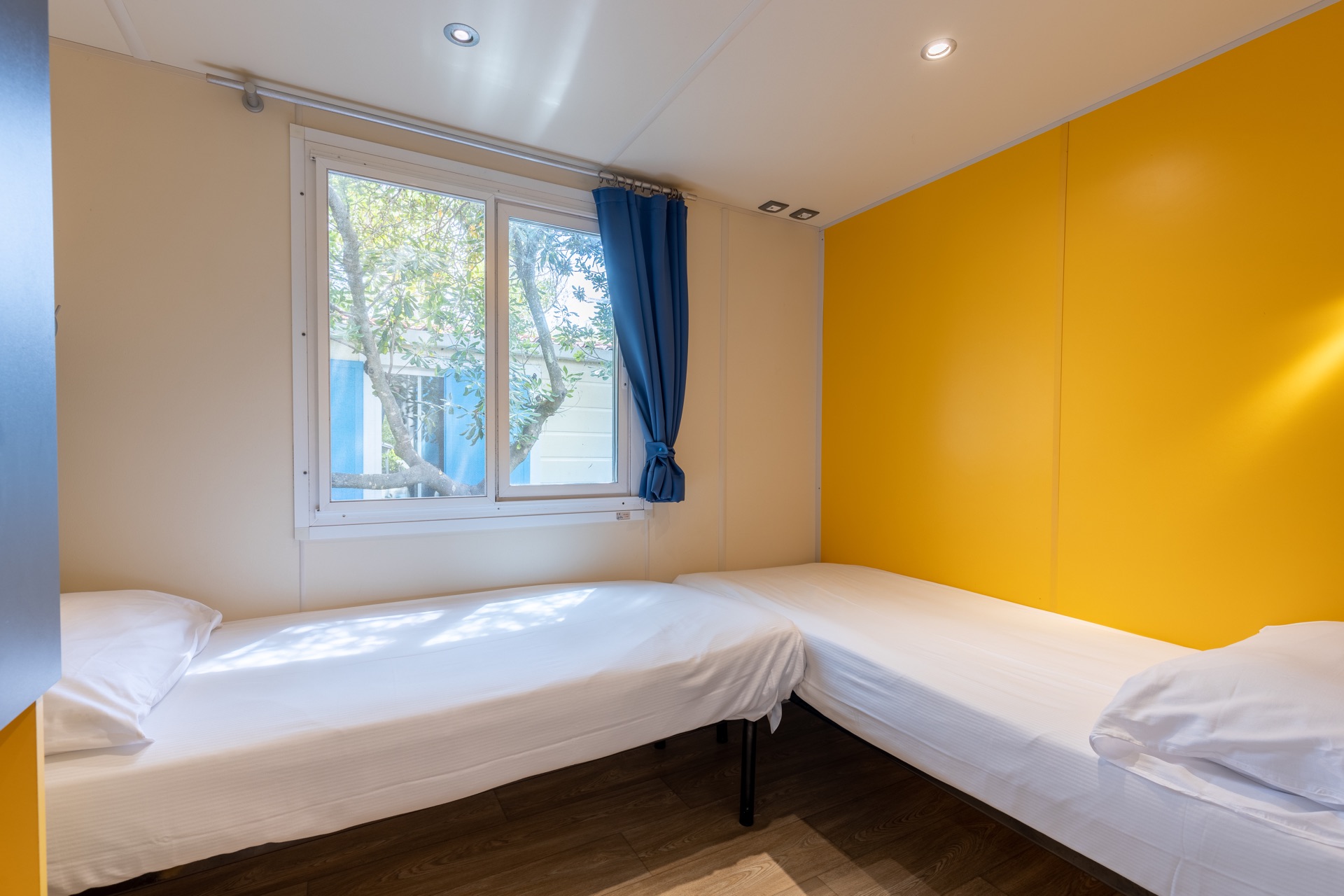
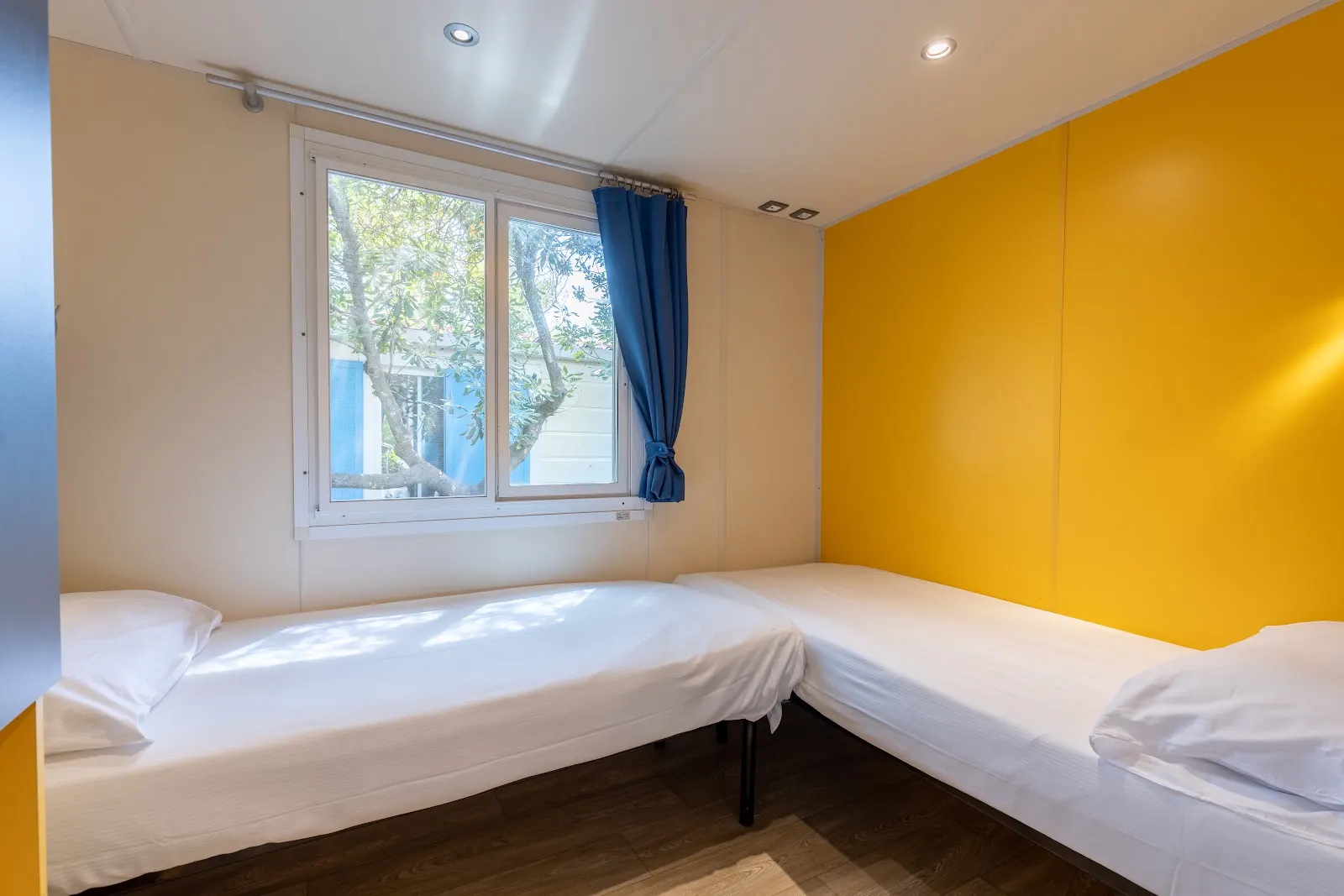
For comfort and proximity, Miramare by the sea is ideal. With bungalows, mobile homes, and pitches shaded by pines, it’s open year-round. It offers a pool, private beach, water sports (surfing, sailing, diving), bike and canoe rentals, plus spa, sauna, massages, family entertainment, pet‑friendly facilities, accessibility services, and local dining.
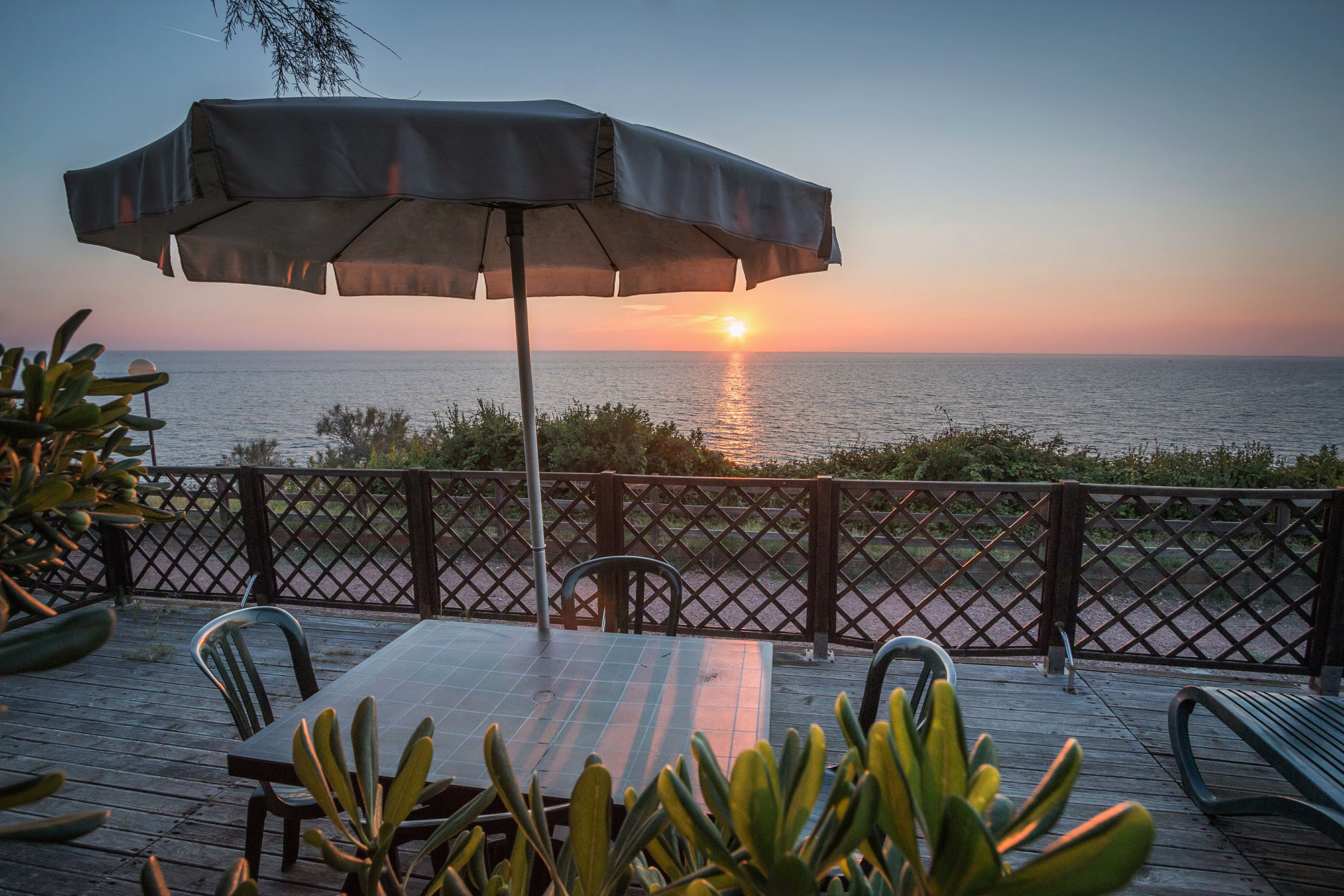
Wake up to pine-scented breezes, go explore Collesalvetti—with its medieval castle just 20 minutes away by car—and return to a seaside dip or a candlelit dinner overlooking the sunset. Miramare combines outdoor adventure, cultural discovery, and relaxed seaside comfort—your gateway to the real Tuscany.
Sample 2–3 Day Itinerary
- Day 1: Explore the historic center, castle, Medici villa, and Church of Saints Quirico & Giulitta. Tuscan dinner in a local trattoria.
- Day 2: Nature immersion—hike in Monti Livornesi, visit Contessa Oasis, bike along the aqueduct.
- Day 3: Journey to the Hermitage of Sambuca, then return to Miramare for poolside or seaside relaxation.
With its blend of landscapes, heritage, and traditions, Collesalvetti offers an intimate Tuscan experience. And by choosing Miramare Village Camping, you add a peaceful seaside retreat to your exploration—an authentic base for your journey through culture, nature, and history.