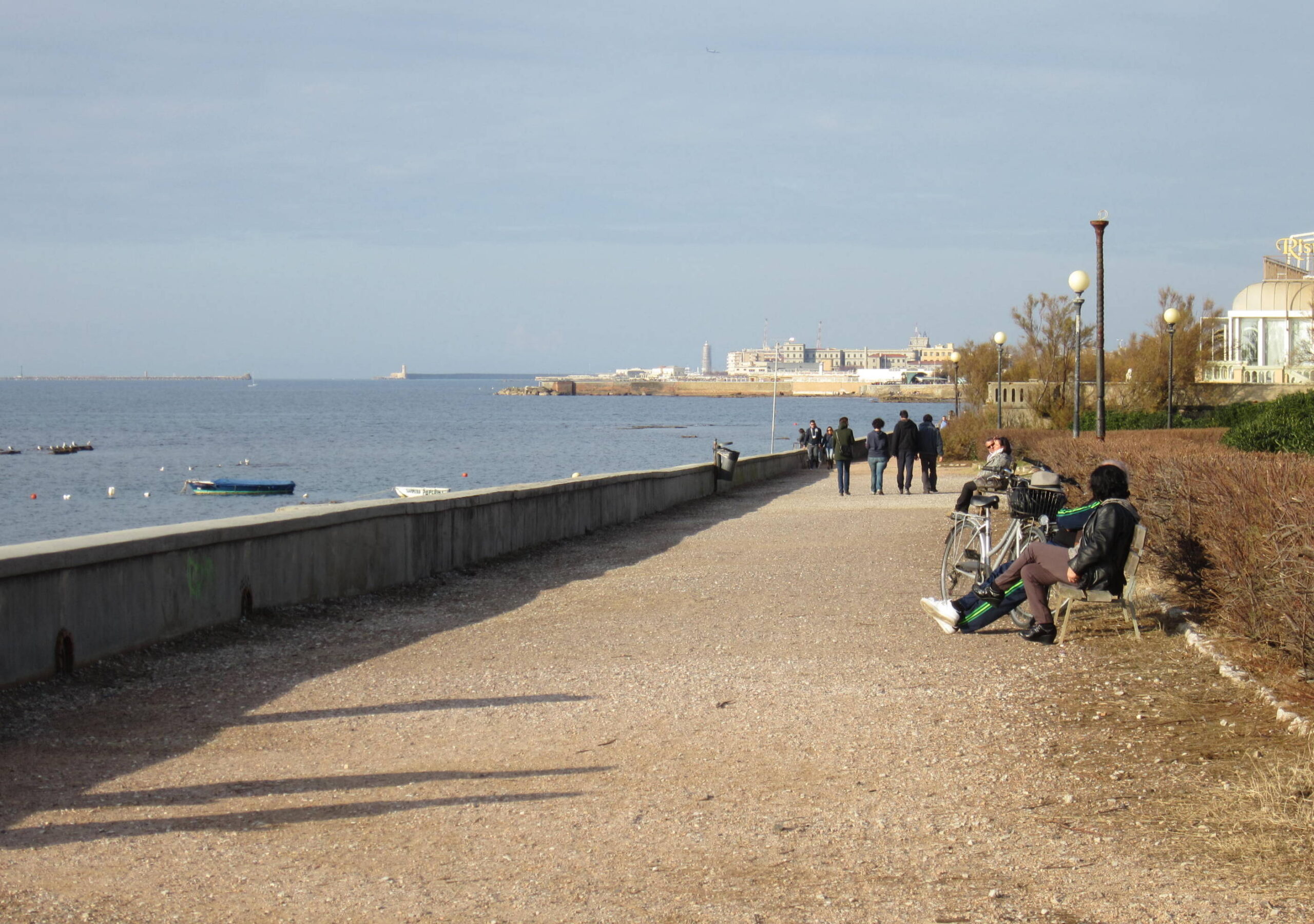






Livorno is a city that surprises you. Modern, open-minded, and proudly multicultural, it hides an ancient soul shaped by the sea, trade, and centuries of cultural exchange and conflict. In this context, the Four Moors monument stands as a powerful symbol—more than just a landmark, it’s a key to understanding Livorno’s deeper identity.
Origins and Meaning of the Monument
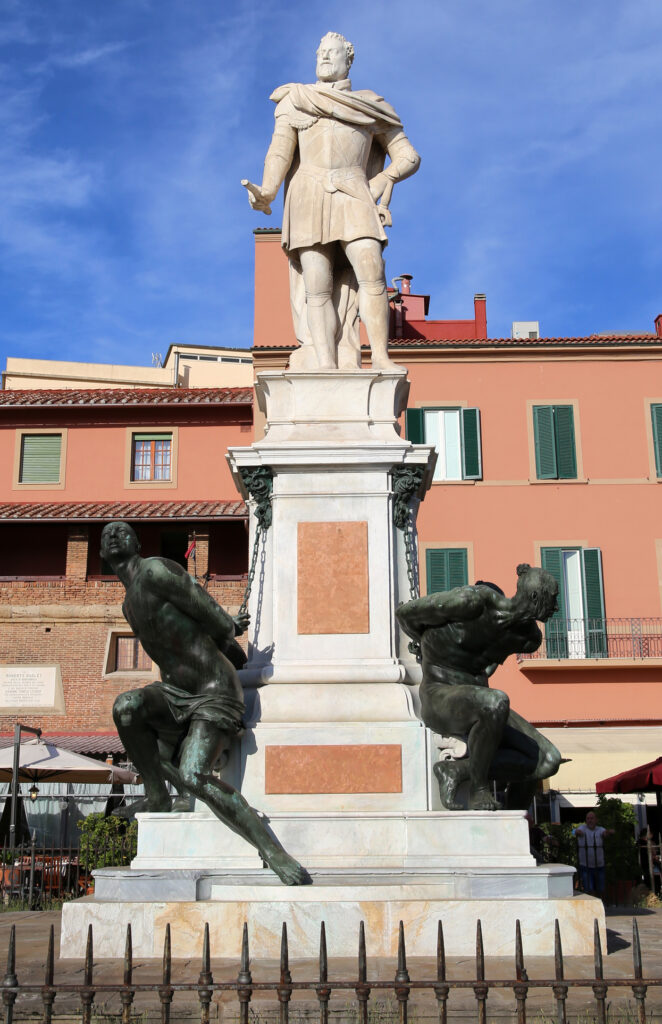
The Four Moors monument is located in Piazza Micheli, right in front of the Medici Port. At this time the statue is one of the most iconic symbols of Livorno. It’s made up of two main elements: the central statue of Ferdinando I de’ Medici, Grand Duke of Tuscany, and four bronze statues of chained Moorish prisoners at its base.
The monument’s story begins in 1595, when Ferdinando I commissioned it to celebrate Tuscany’s naval power and its victories over Saracen pirates. While the statue of the Grand Duke was sculpted by Giovanni Bandini, the bronze prisoners were later crafted by Pietro Tacca, one of the leading Baroque sculptors of the era.
The Four Moors were added between 1623 and 1626, transforming the work into a dramatic visual statement of Medici dominance over the Mediterranean and their campaign to secure the sea from pirate raids. The message was clear: a political and military triumph. Yet today, it’s interpreted with a more reflective historical lens.
The Four Moors: More Than Just Prisoners
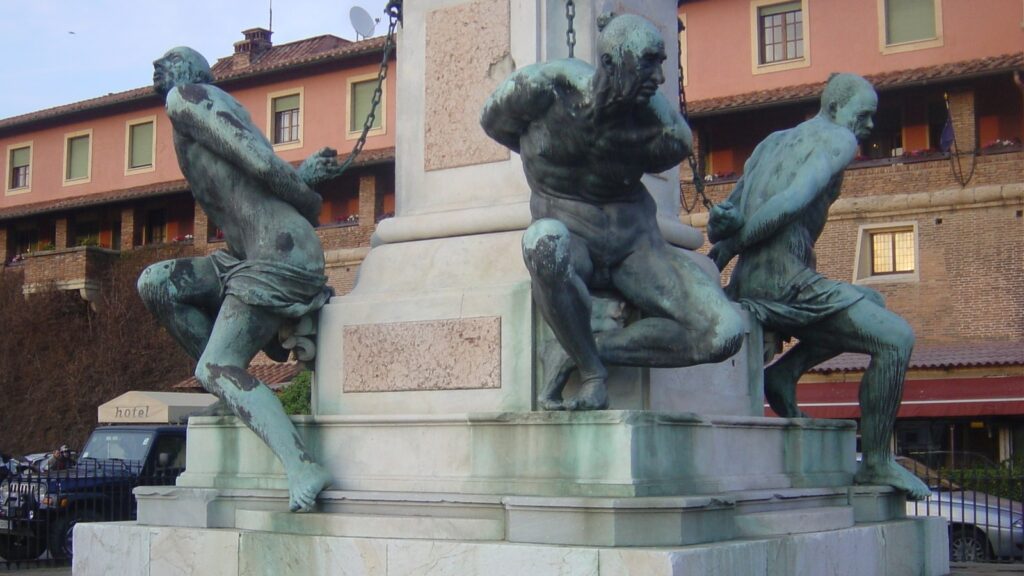
The four bronze figures depict captured men with distinct features, each representing different origins—some appear African, others Middle Eastern. This detail has sparked various interpretations. The Moors are often seen as symbolic enemies of Medici Tuscany, but they also reflect Livorno’s role as a meeting place for different peoples over the centuries.
Indeed, Livorno was one of the most tolerant and cosmopolitan cities in the Mediterranean. Thanks to the “Leggi Livornine” (Livorno Laws) issued in 1591 and 1593, the city welcomed foreigners by offering freedom of religion and economic benefits. So, while the monument was originally a show of military might, it has also become a symbol of Livorno’s rich cultural diversity.
Between History and Legend: The “Test of the Moors”
Livornese locals have a special relationship with the Four Moors, made up of folklore, riddles, and a touch of fun. One of the best-known stories is the so-called “Test of the Moors”: legend says there’s only one spot where you can see all four faces of the prisoners at once—especially their noses. Finding this exact position has become a sort of challenge for visitors and a playful tradition for locals.
In recent years, this detail has made the monument even more famous, especially among selfie-seekers and photography enthusiasts. It’s a perfect example of how history, curiosity, and everyday life can intertwine to keep old stories alive.
The Four Moors Today: A Symbol of Livorno
Today, the Four Moors are more than a historical monument—they’re the emblem of the city itself. Their image appears in logos, souvenirs, and tourism campaigns. Most importantly, they hold a deep emotional value for the people of Livorno.
The contrast between the proud stance of the Grand Duke and the suffering of the prisoners continues to spark debate. Some see it as a colonial image in need of critical re-reading, while others emphasize the artistic and historical importance of the monument, as well as an example of Italian Baroque sculpture.
What’s certain is that the Four Moors continue to inspire thought, provoke discussion, and draw in those who want to truly understand Livorno—beyond the surface.
Why You Should See It in Person
Photos online don’t quite do justice to the monument’s impact. Standing before it, you notice the scale of the statues, the details of the chains, the expressions on the faces—each element contributing to a powerful experience, especially when you understand the historical and symbolic context.
Visiting the Four Moors isn’t just about checking off a sightseeing box. It’s a step into Livorno’s past and a way to connect with the city’s true soul: proud, layered, complex, and always open to the world.
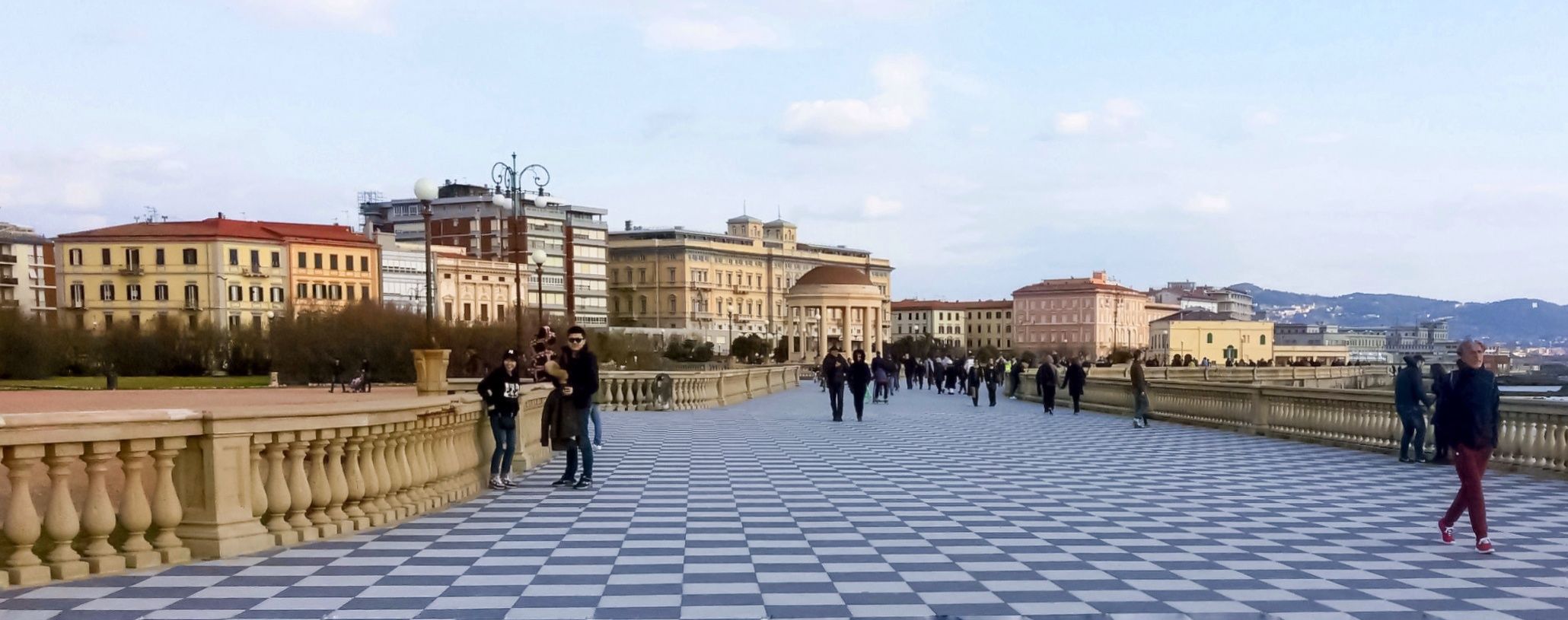
And because Livorno is so much more than a quick stop, it’s worth exploring at your own pace. Take a walk along the seafront, wander through the Venice district, sit down for a plate of traditional cacciucco, and—why not—unwind somewhere peaceful after a full day of discovery.
A Perfect Base to Explore Livorno
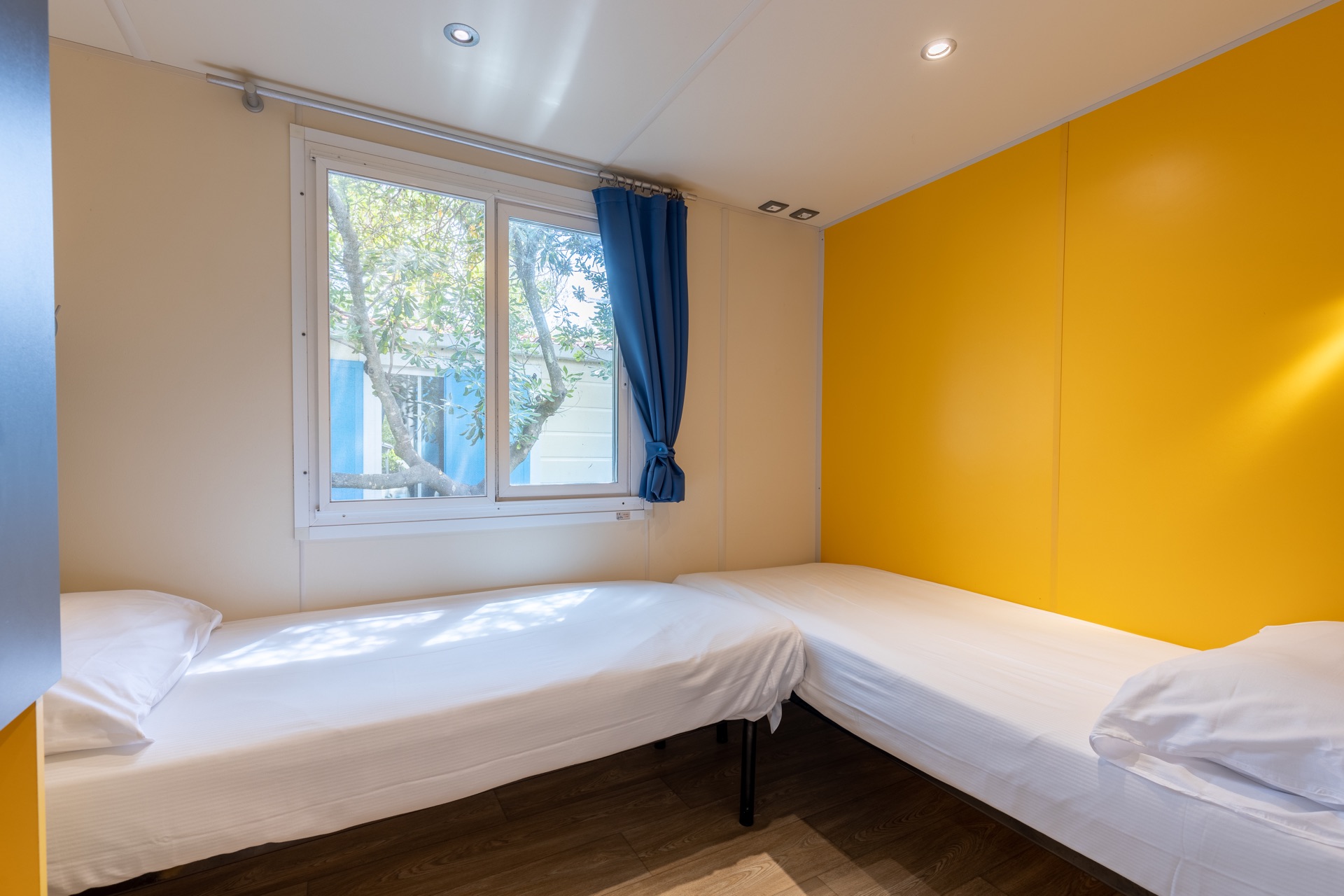
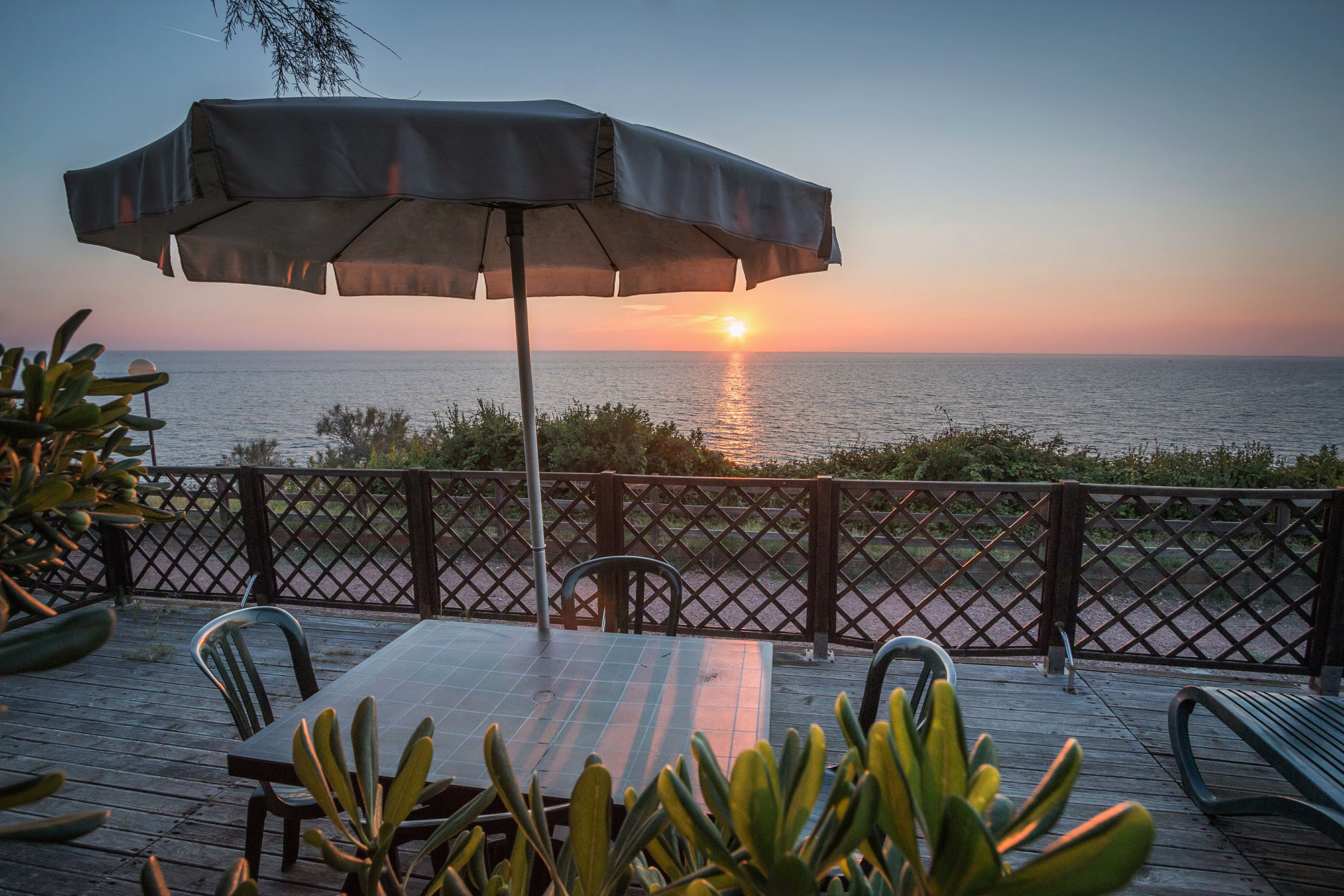
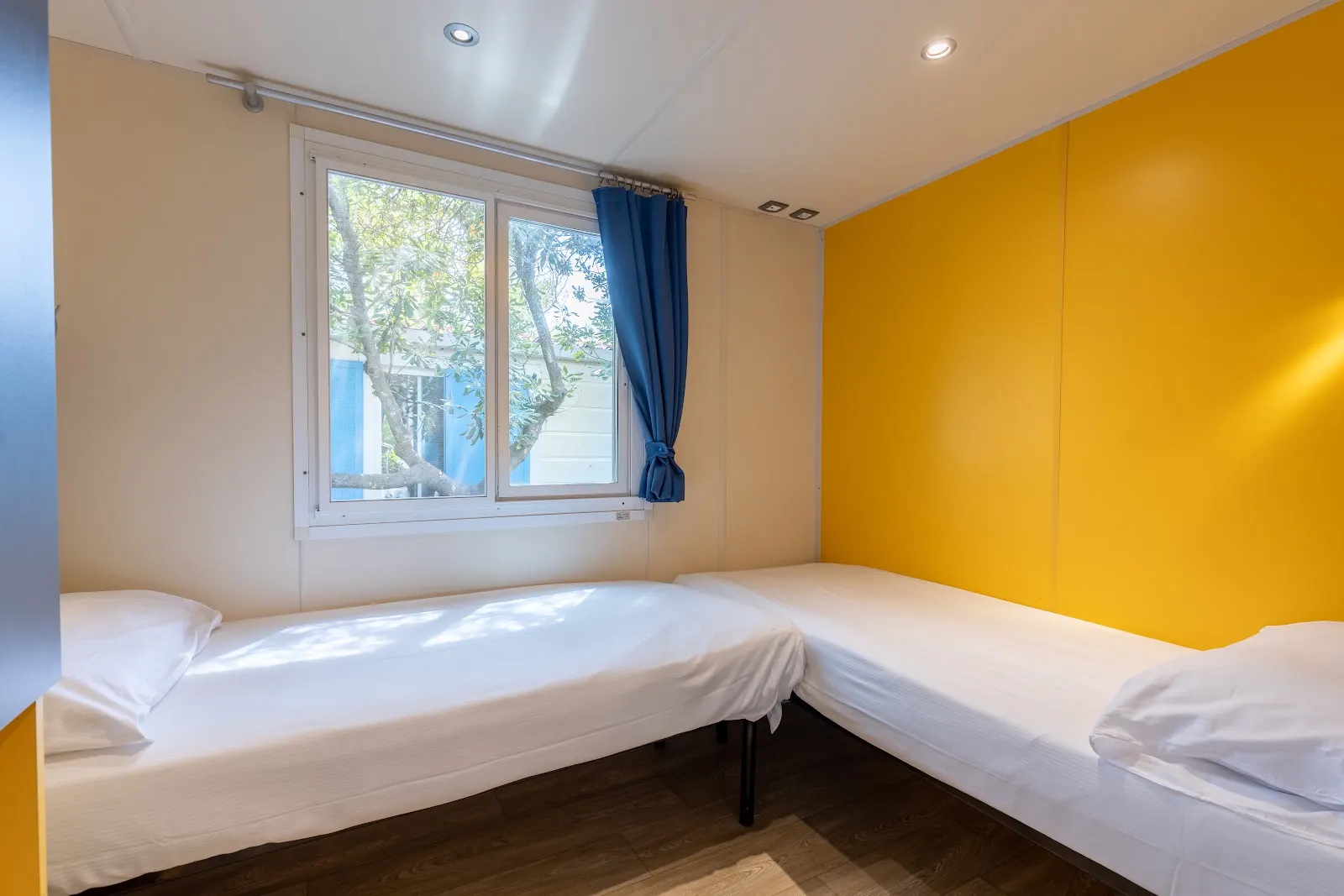
If you’re planning a visit to Livorno, without a doubt a great choice for accommodation is Miramare. Nestled right by the sea and just a few minutes from the city center, it’s the ideal spot to enjoy the Tuscan coast without giving up easy access to Livorno’s cultural heart.
Whether you’re looking to relax in nature or want a strategic location to visit the Four Moors and other key landmarks, Miramare strikes the perfect balance between comfort, scenery, and convenience. And more than anything, it lets you experience Livorno like a true local—unhurried, curious, and free-spirited.
The Four Moors monument is more than just a work of art. It’s the result of centuries of history—of clashes and connections between civilizations, of local pride and enduring traditions. Anyone visiting Livorno simply can’t ignore it: the monument stands as a reminder of what this city once was and what it still represents today.
So if you’re thinking about discovering it for yourself, consider doing so slowly, in a place that allows you to connect with Livorno authentically. Because some stories—like that of the Four Moors—can only be truly understood when you’re standing right in front of them, looking them in the eyes.