





The Largest Marine Park in Europe
The Tuscan Archipelago, located in the heart of the Tyrrhenian Sea, is a unique natural and cultural treasure. This group of seven main islands forms the Tuscan Archipelago National Park, the largest protected marine area in Europe. Each island has its own identity, charm, and peculiarities, making it a perfect destination for nature lovers, history enthusiasts, and sea adventurers.
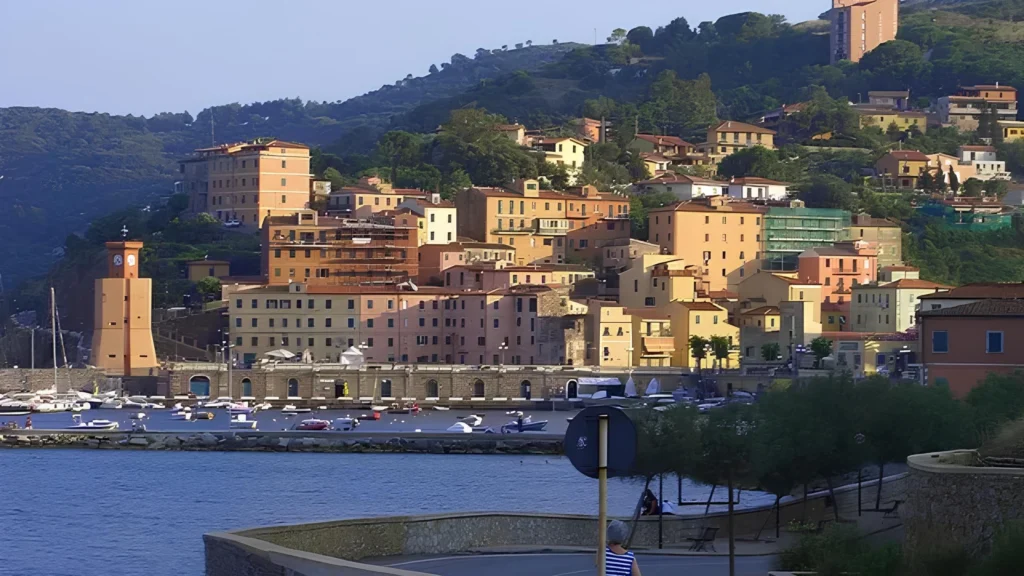
Elba Island: The Largest Gem
Elba is the biggest and most famous island of the archipelago. Known for hosting Napoleon Bonaparte during his exile, it boasts golden beaches, crystal-clear waters, and scenic hiking trails.
Top attractions include Portoferraio, with its fortified citadel and Napoleon’s residences such as Villa dei Mulini and Villa San Martino. Monte Capanne, the island’s highest peak (1019 m), offers breathtaking views and can be reached via a cable car or trekking routes.
Elba’s best beaches include Cavoli, renowned for its golden sand and clear waters, Sansone, with its white pebbles and postcard-worthy seabed, and Fetovaia, nestled between cliffs and Mediterranean vegetation. The island is also a paradise for water sports lovers, offering diving, snorkeling, windsurfing, and kayaking opportunities.
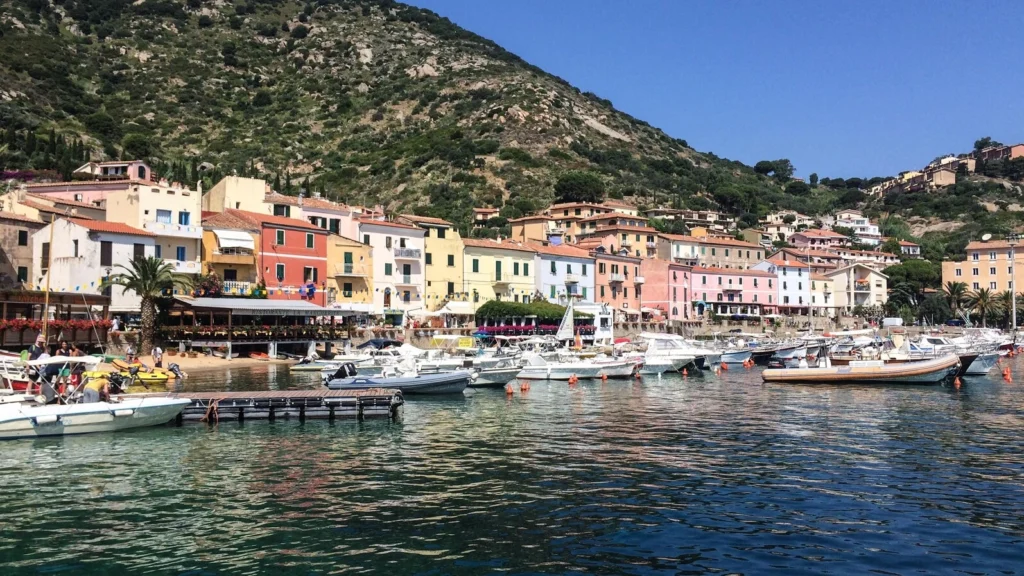
Giglio Island: A Slice of Paradise
Giglio Island is a small paradise with turquoise waters and unspoiled nature.
The main entry point is Giglio Porto, a charming village with colorful houses by the sea, seafood restaurants, and a welcoming atmosphere. Giglio Castello, perched on a hill, is an ancient medieval village with fortified walls and a labyrinth of picturesque alleys.
The island’s best beaches include Cannelle, with light-colored sand and shallow waters perfect for families, Caldane, a small and secluded beach accessible only on foot or by boat, and Arenella, ideal for snorkeling. Giglio is also perfect for hiking, with panoramic trails offering spectacular views over the sea.
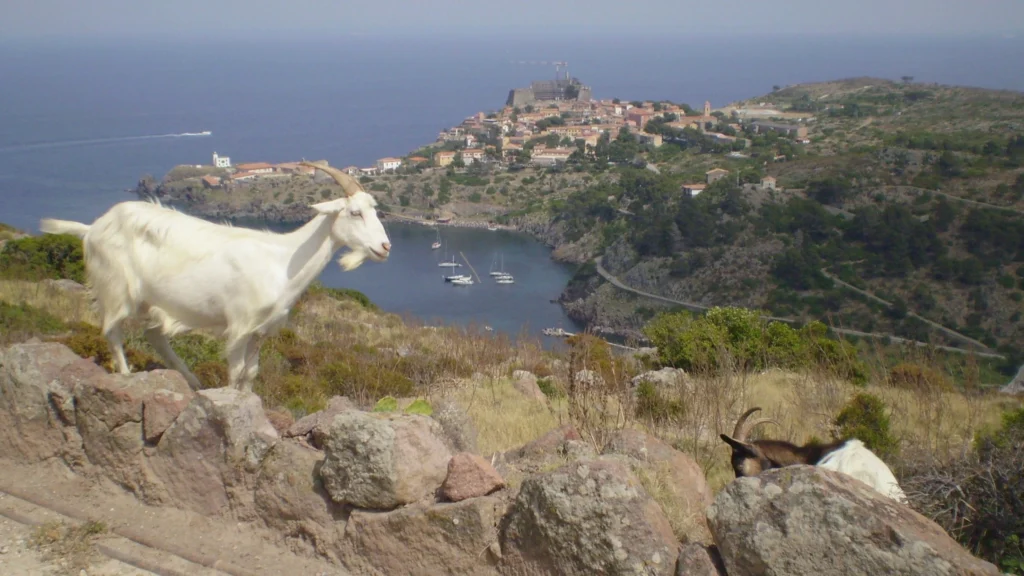
Capraia Island: The Volcanic Beauty
Capraia is the only volcanic island in the Tuscan Archipelago, featuring dramatic red cliffs and secluded coves.
The only inhabited village is Capraia Porto, a small harbor nestled in a natural bay. A scenic road leads to the San Giorgio Fortress, an impressive defensive structure built by the Genoese.
The island’s lack of internal roads preserves its wild atmosphere, making it an ideal destination for trekking and boat excursions. Reganico Trail takes hikers through the island’s interior to Monte Arpagna, offering breathtaking views. The clear waters and hidden coves attract snorkelers and divers to stunning sites like Cala Rossa and Punta dello Zenobito.
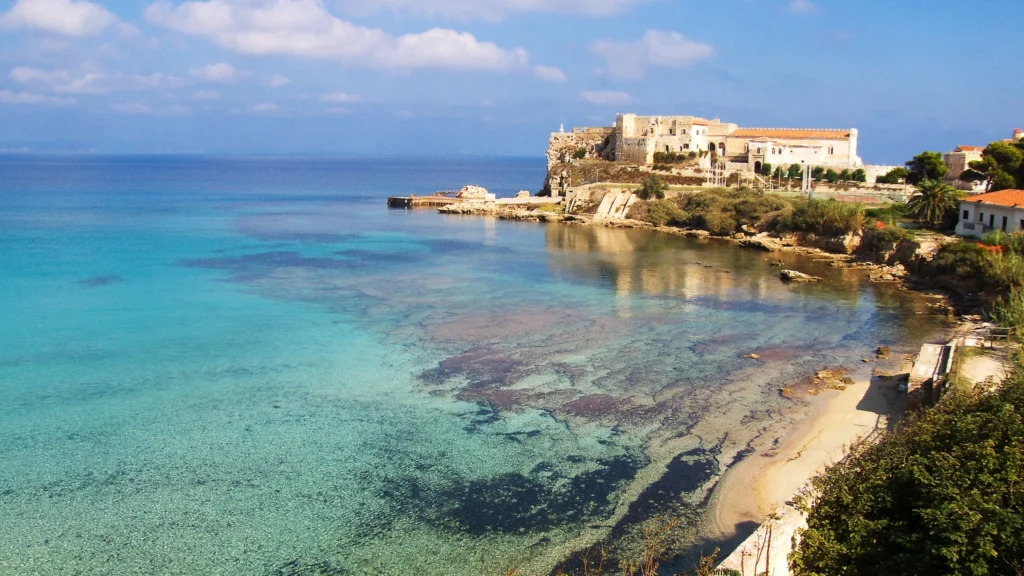
Pianosa Island: Untouched Nature
Once home to a high-security prison, Pianosa is now an oasis of peace and pristine nature.
To protect its delicate ecosystem, access is regulated, and visitors can explore the island by bike or guided tours. The Villa of Agrippa, an ancient Roman residence, provides historical insight into the island’s past.
Cala Giovanna, with its white sand and turquoise sea, is Pianosa’s only accessible beach, offering a unique experience for those seeking tranquility. The marine life surrounding Pianosa is among the richest and most preserved in Italy, making it a dream location for divers and snorkelers.
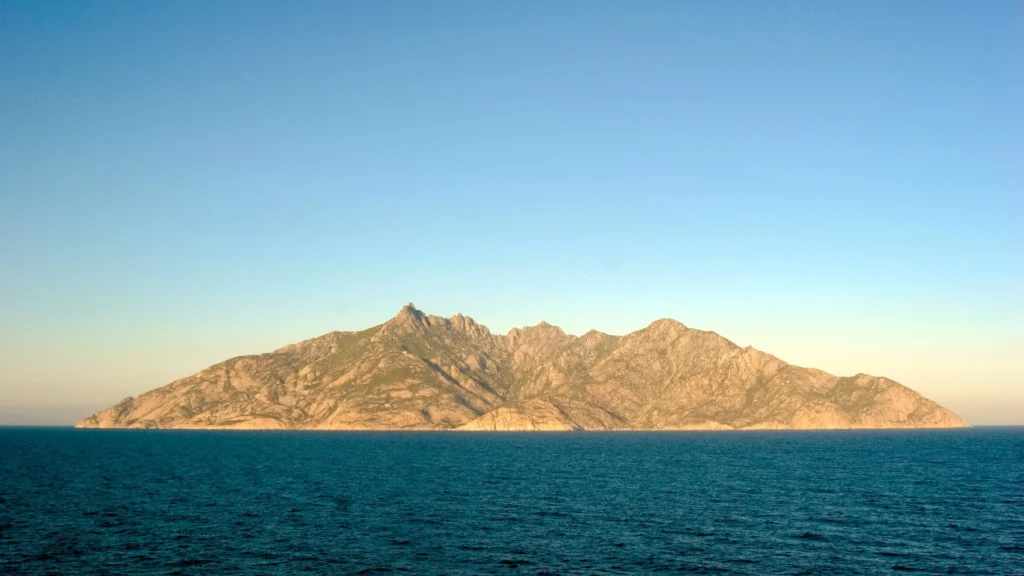
Montecristo Island: The Island of Mystery
Made famous by the novel The Count of Monte Cristo, Montecristo Island is a strictly protected nature reserve. Visitor access is limited to a few hundred people per year to preserve its unique ecosystem.
This remote island features dense holm oak forests and striking granite formations. The main attraction is the Monastery of San Mamiliano, an abandoned hermitage surrounded by legend and mystery. Hiking enthusiasts can follow the rugged trails that wind through the island, revealing breathtaking landscapes at every turn.
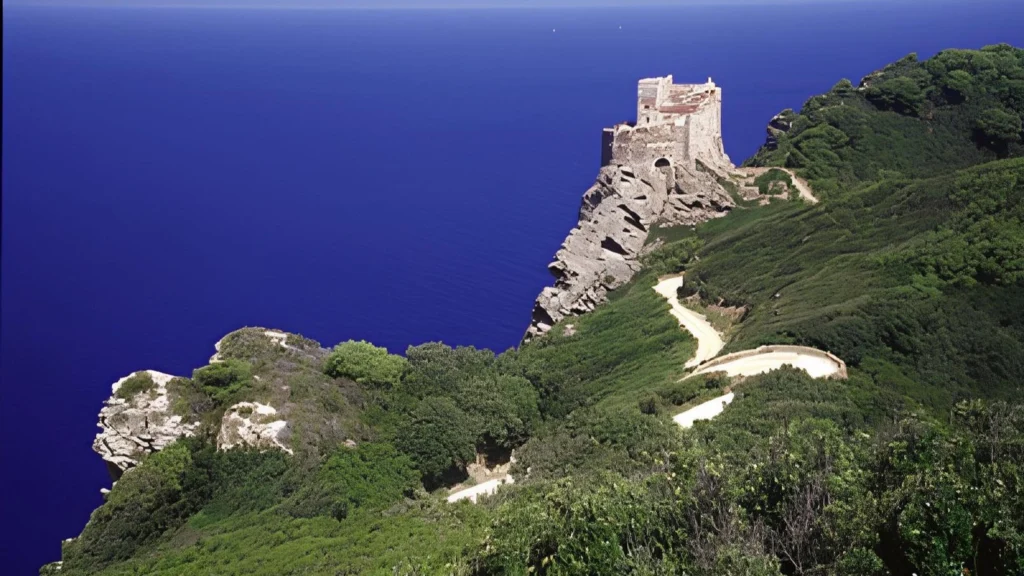
Gorgona Island: The Hidden Gem
The smallest island of the Tuscan Archipelago, Gorgona, still houses an active prison, and visits are only possible through guided tours, offering an exclusive experience in a pristine environment.
Highlights include the Old Castle, which dominates the island’s landscape, and Cala Scirocco and Cala Maestra, two secluded bays perfect for admiring the island’s natural beauty. Birdwatching enthusiasts can observe several species of seabirds nesting on the island.
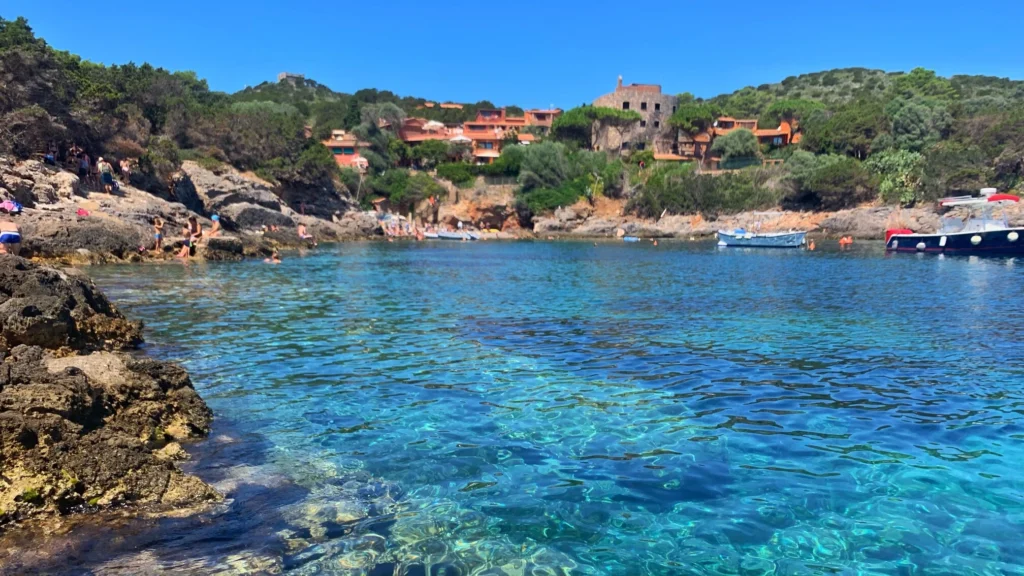
Giannutri Island: A Roman Refuge
Giannutri is a dramatic island with limestone cliffs and Roman ruins. It is home to the remains of an ancient Roman villa, once belonging to the Domizi Enobarbi family, offering a fascinating glimpse into the island’s past.
The island is a haven for snorkelers and divers, with its vibrant marine life and underwater archaeological sites, including ancient shipwrecks. Here the only two accessible beaches, Cala Spalmatoio and Cala Maestra, provide a peaceful escape in an untouched environment.
The Perfect Base for Exploring the Archipelago
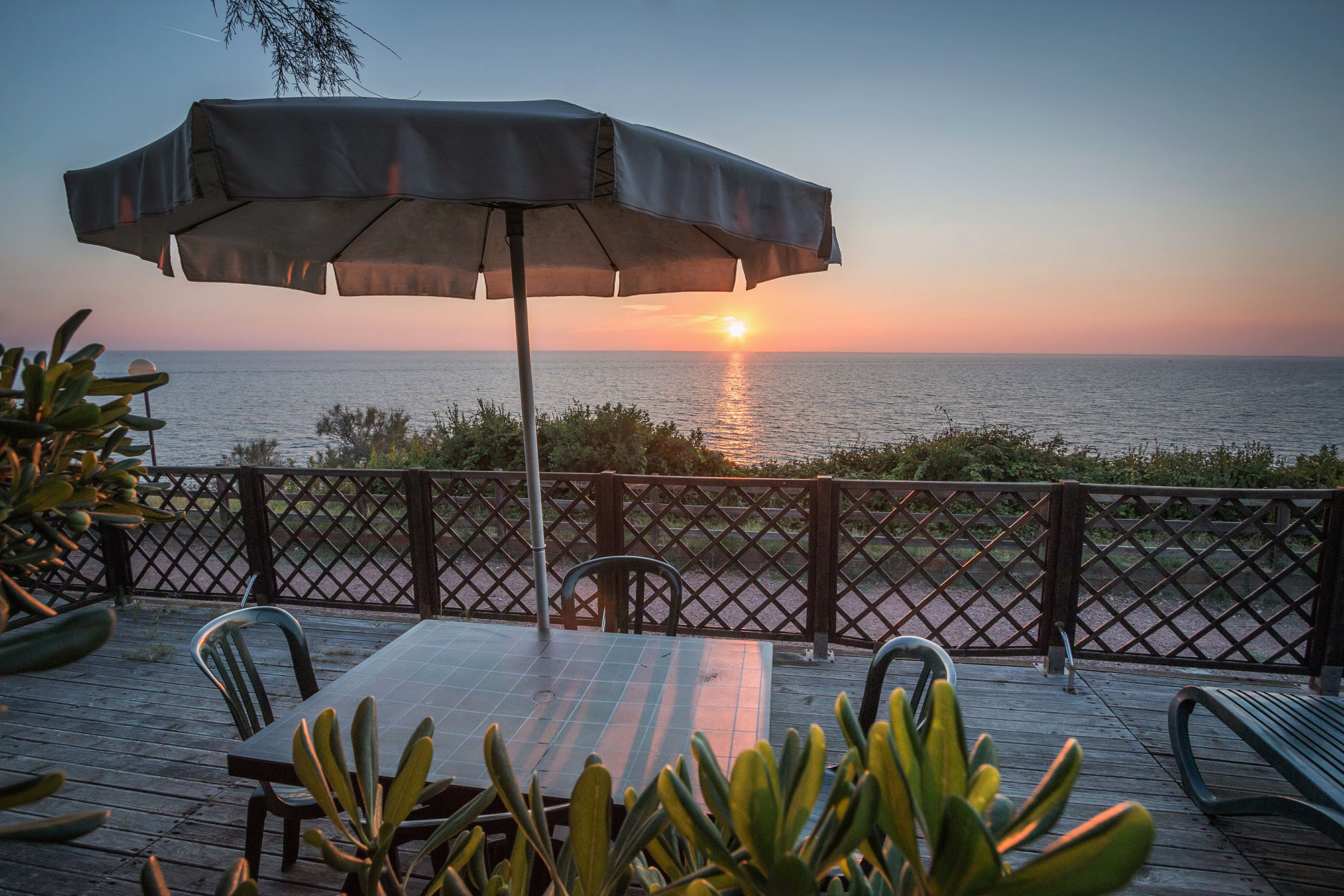
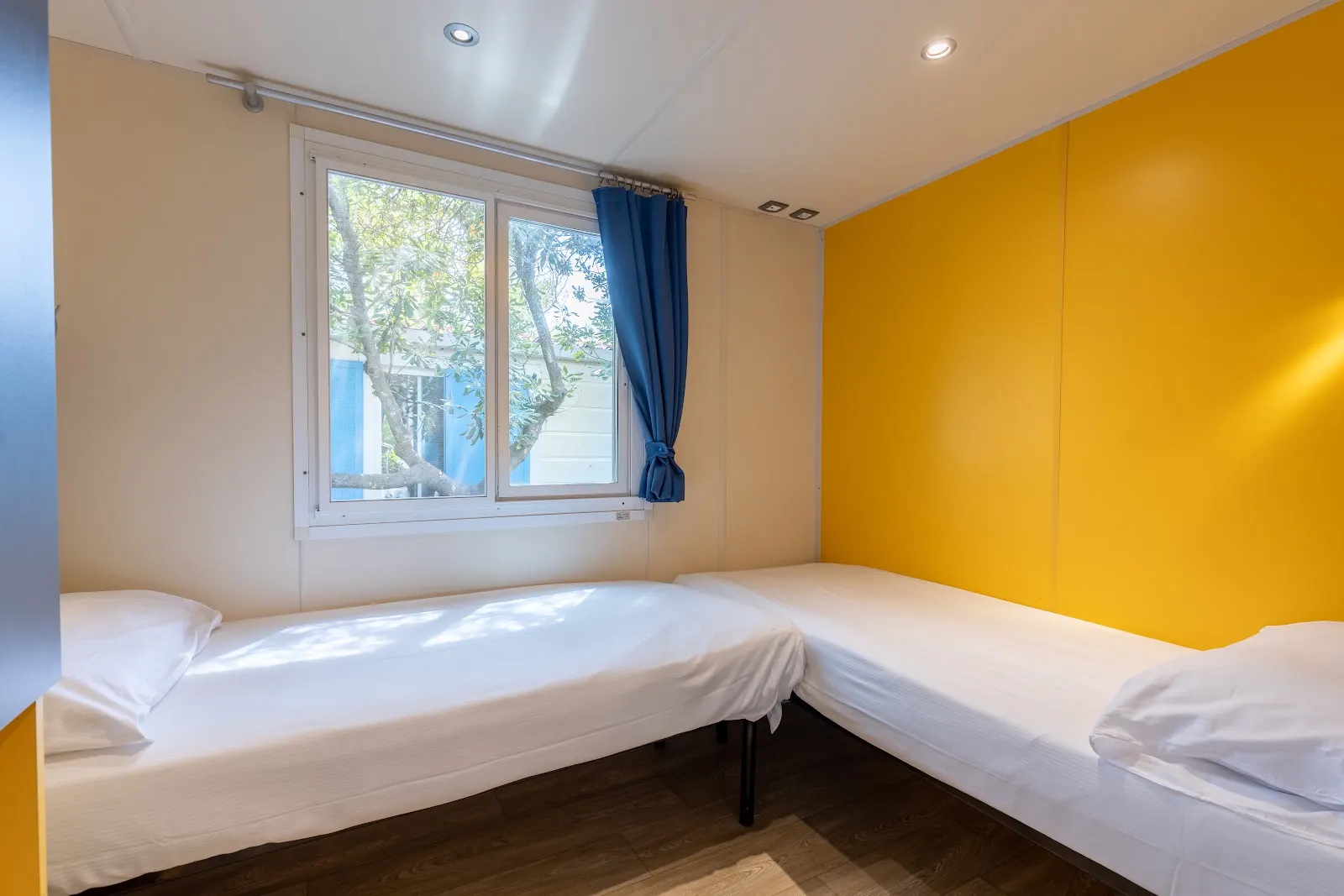
Exploring the Tuscan Archipelago is a journey through nature, history, and adventure. To make the most of this unique experience, having a strategic base is essential. Miramare in Livorno is the perfect choice: located by the sea, it provides easy access to ferries to the islands while offering a relaxing, nature-immersed setting. After a day of discovering crystal-clear waters and breathtaking trails, returning to a welcoming retreat with all the comforts makes the trip even more enjoyable.
The Tuscan Archipelago is waiting to be discovered—plan your itinerary and let yourself be enchanted by its timeless beauty.